
Last updated September 20, 2026
Full 25-point door and opener safety check with every visit - springs, cables, rollers, tracks, and your LiftMaster or Chamberlain opener included
You get a price before we start. It does not change when the truck arrives.
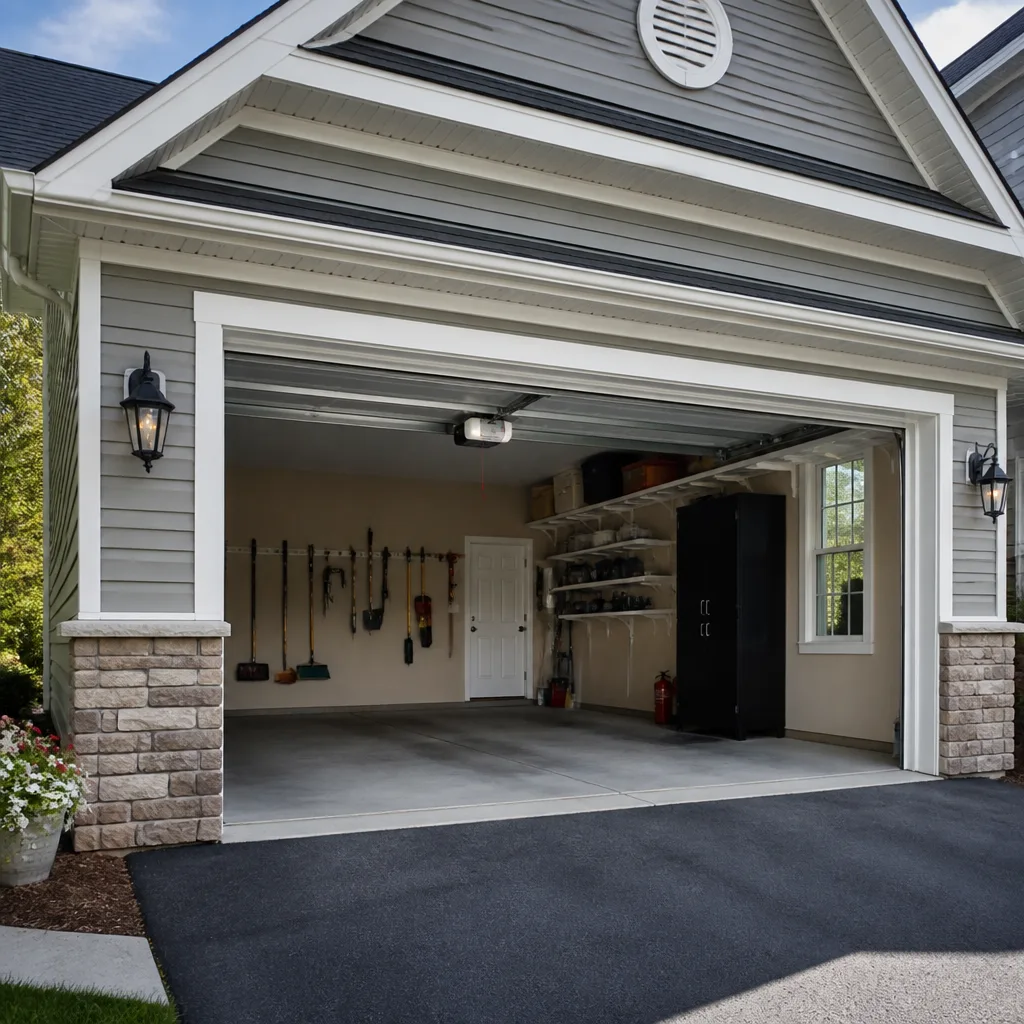
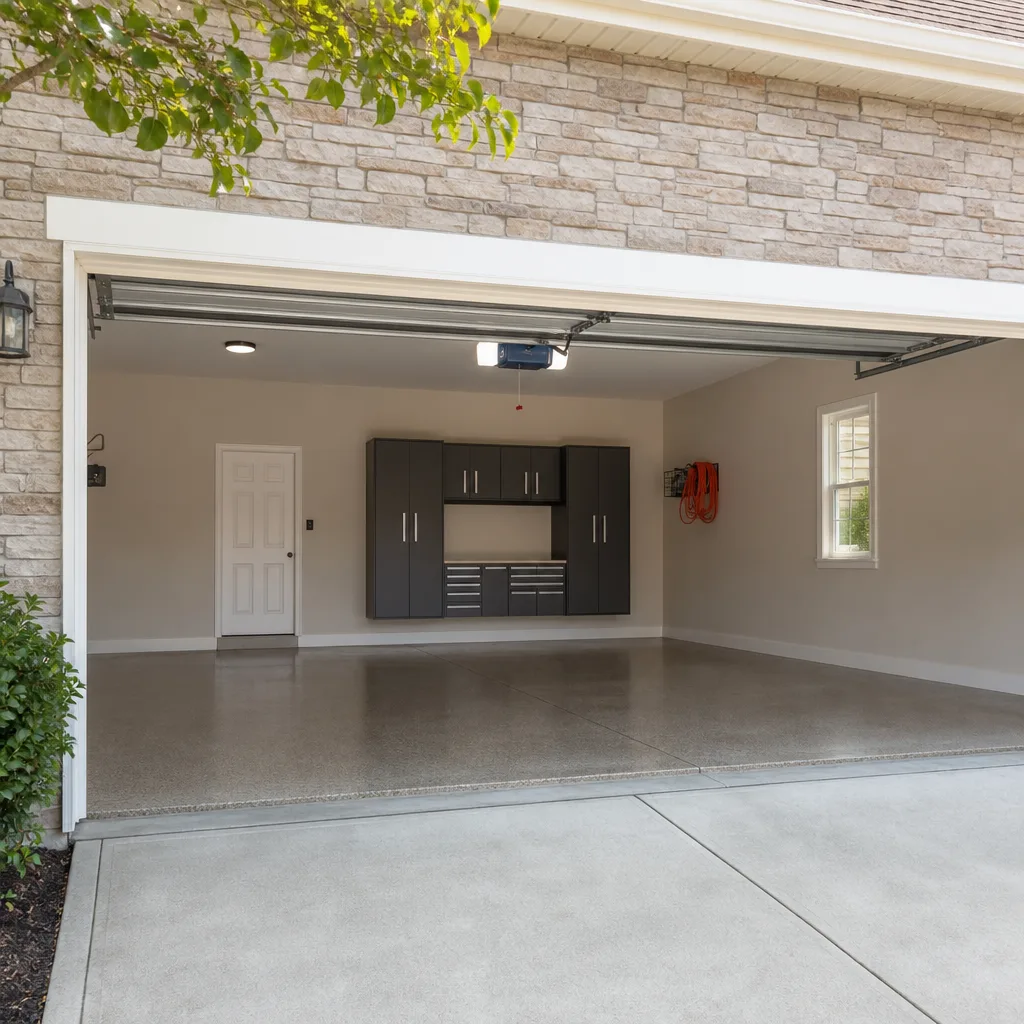
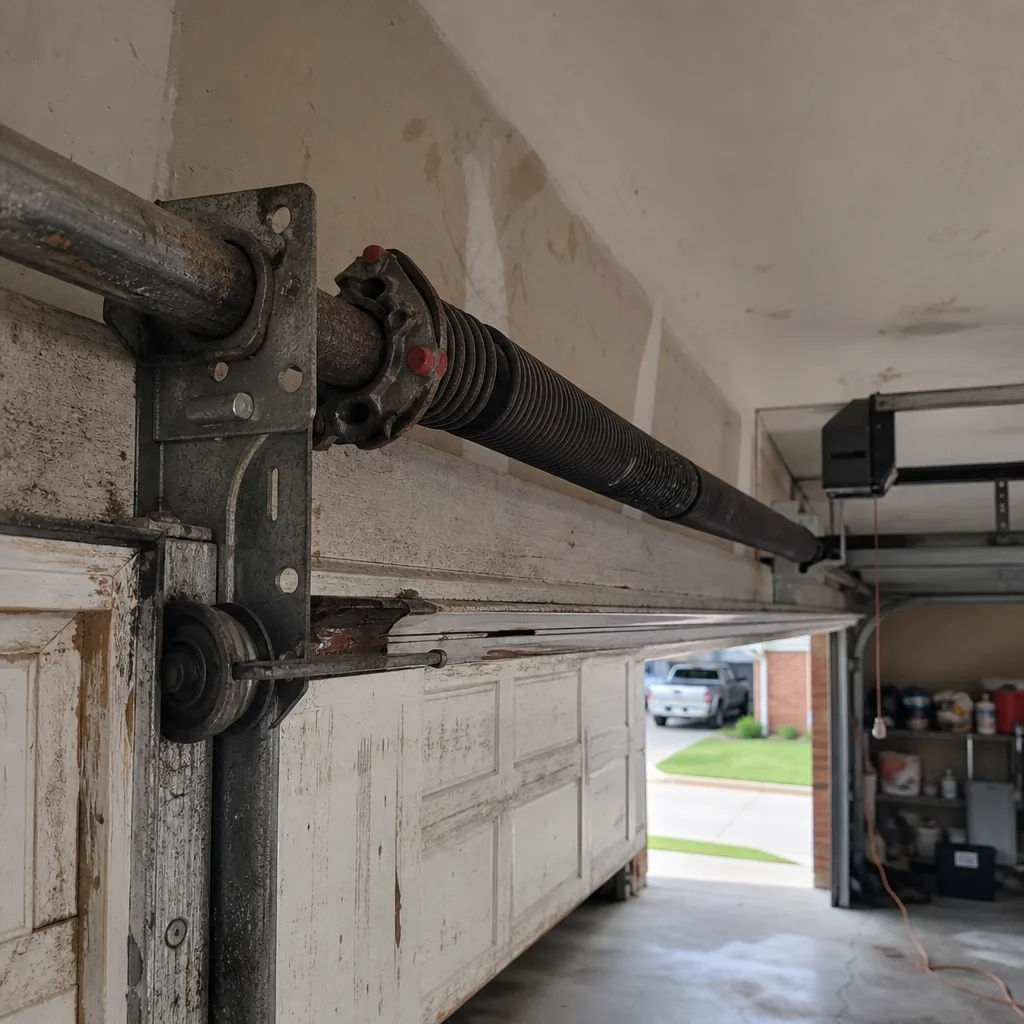 Before
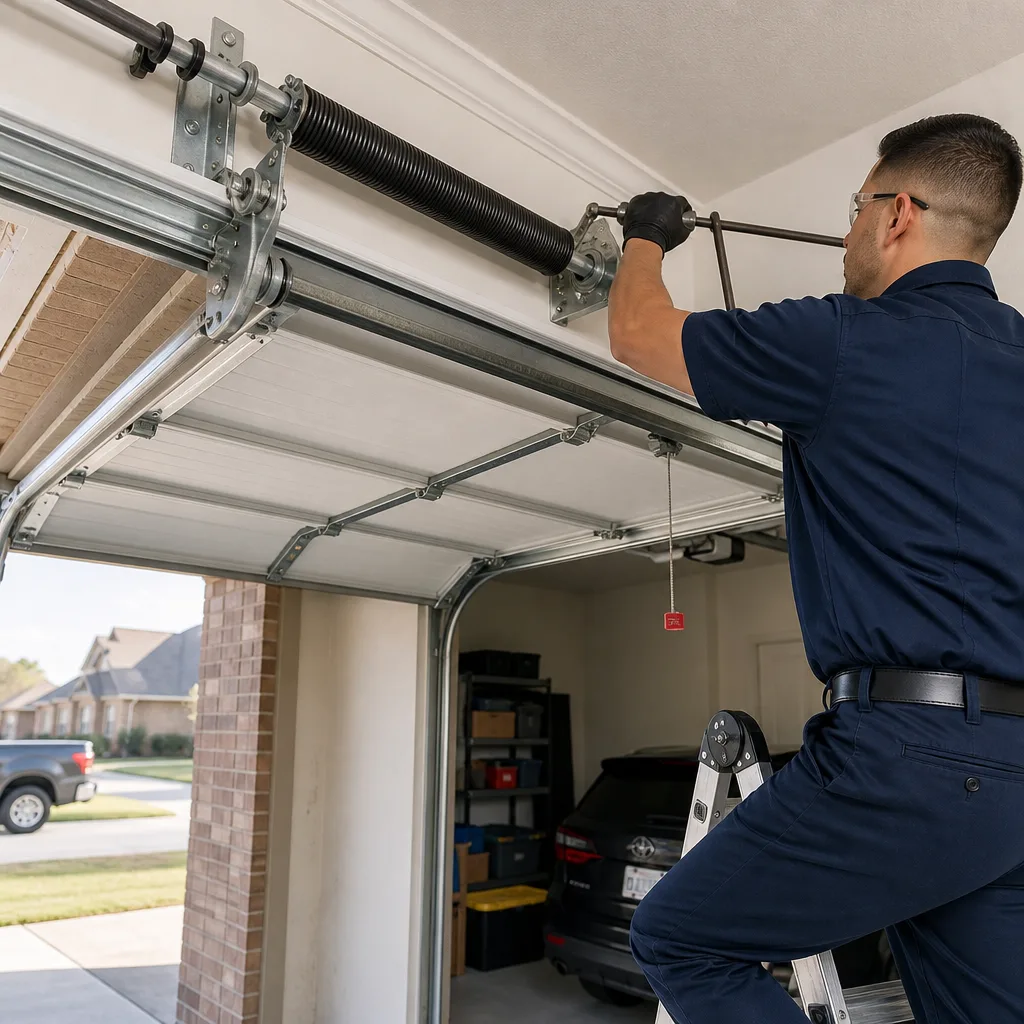 After
After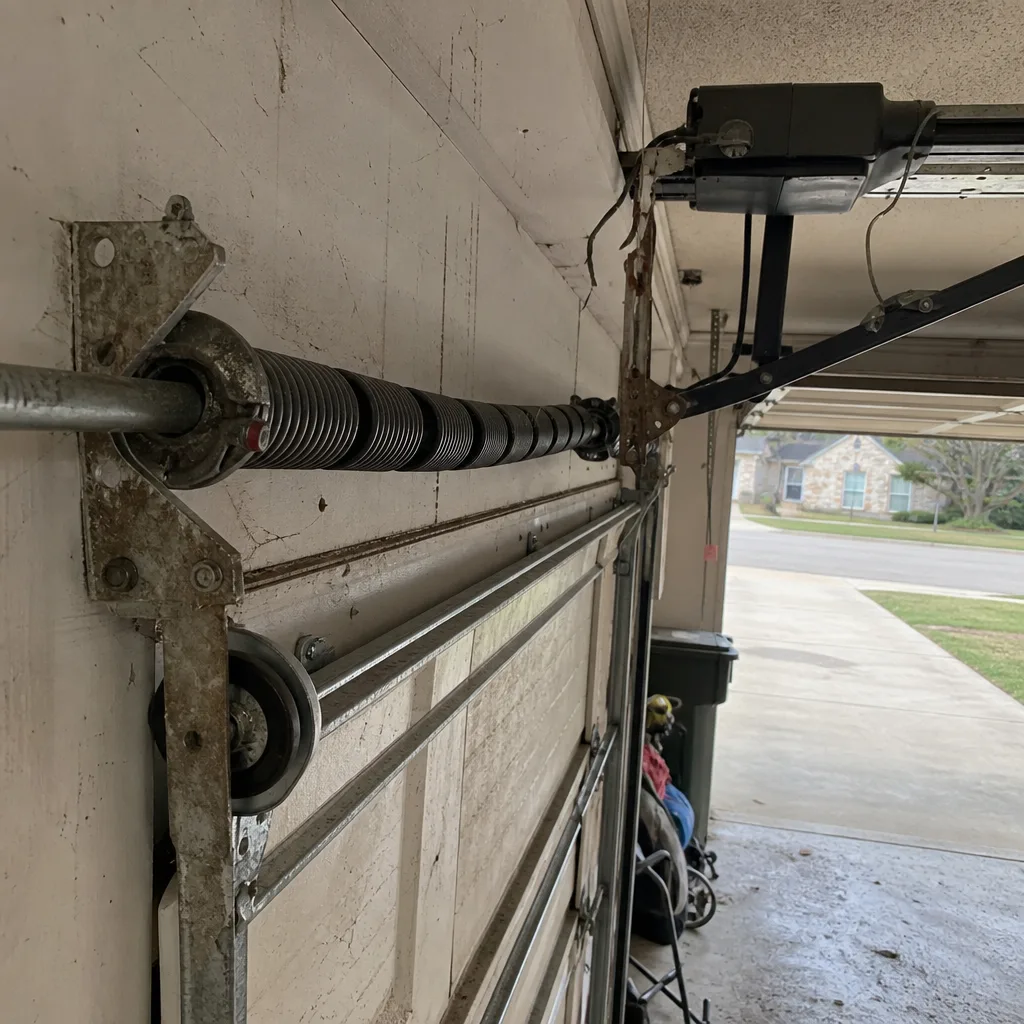 Before
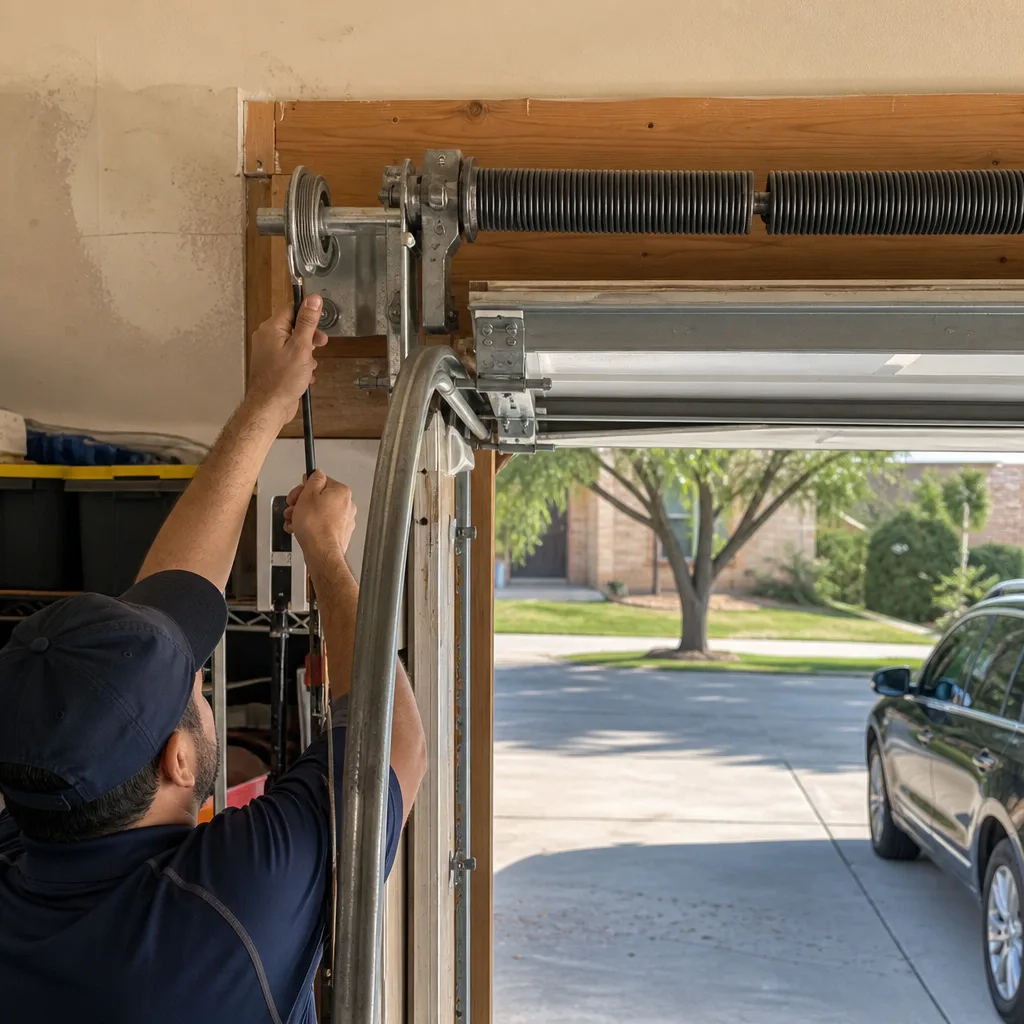 After
After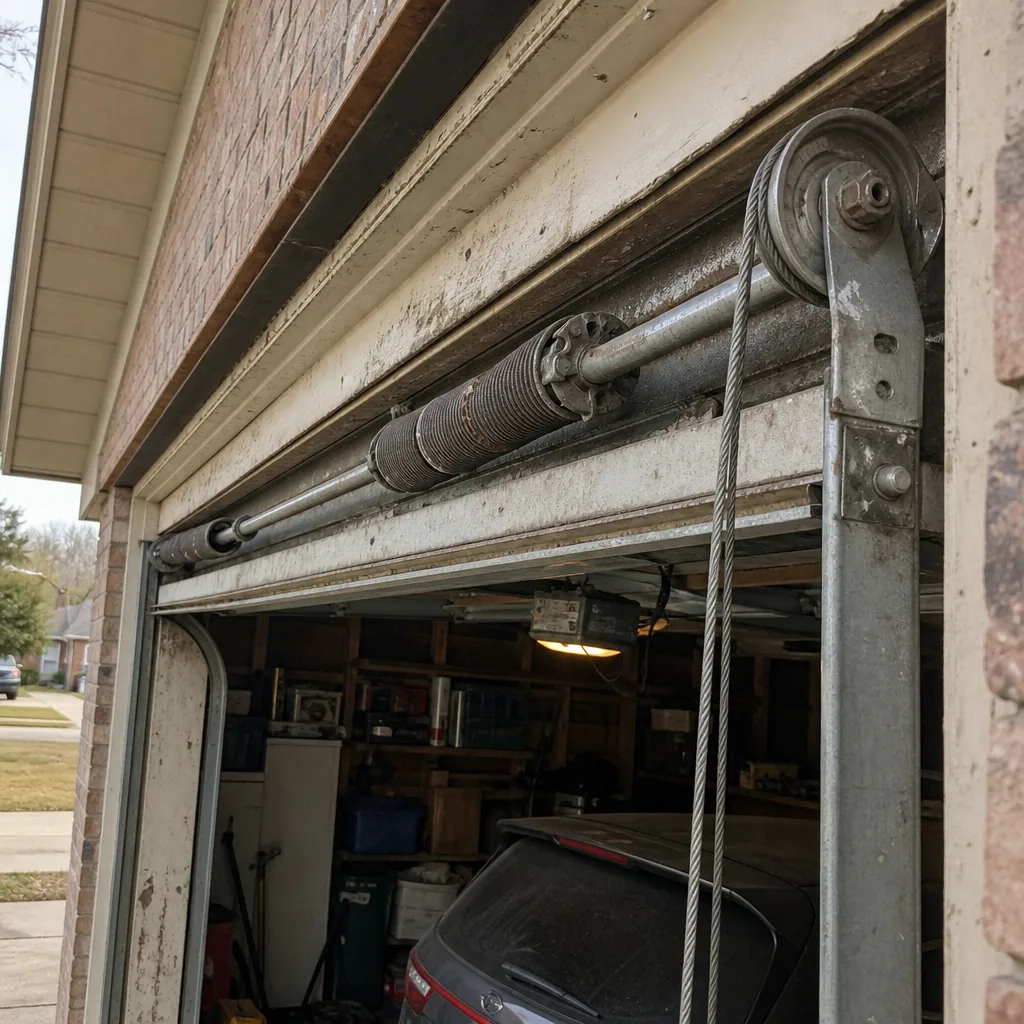 Before
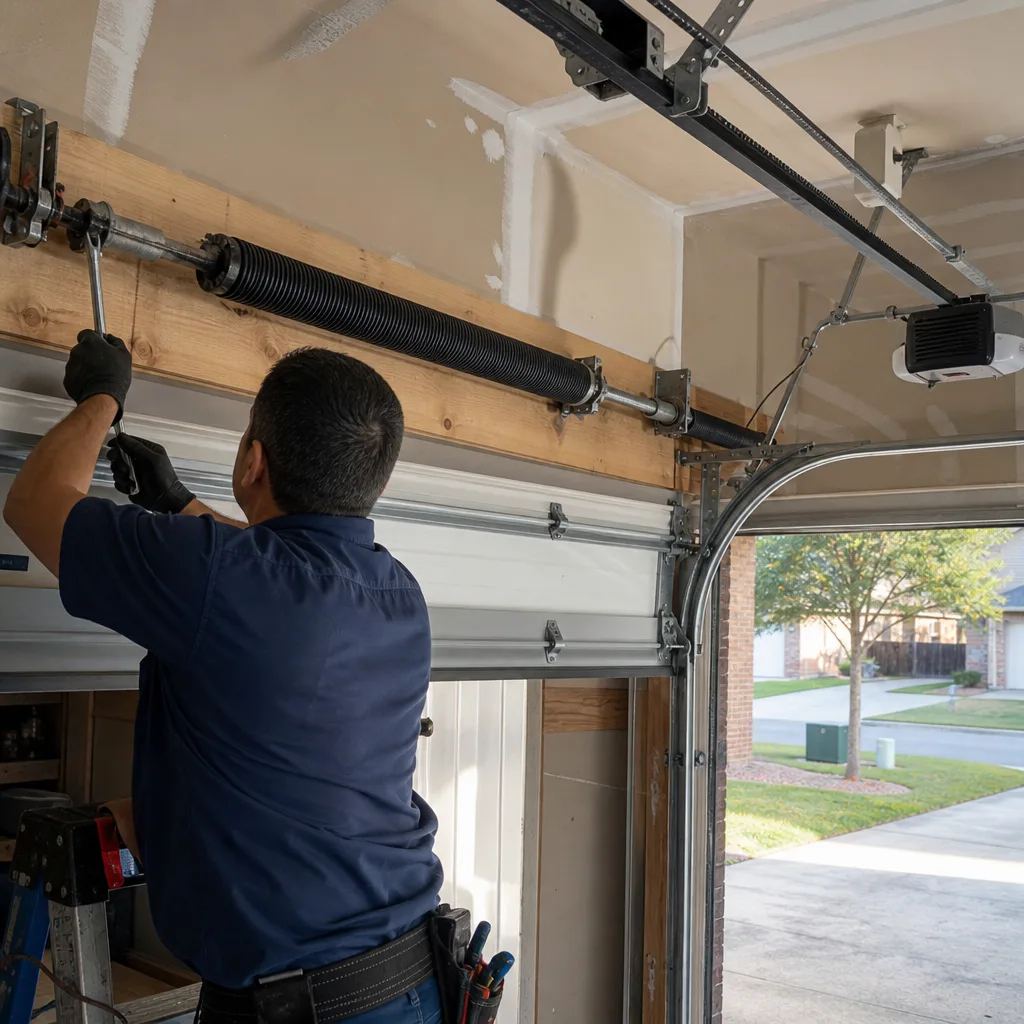 After
AfterGarage Door Permits, Codes & Inspections in TX: What You Need to Know
Most Dallas homeowners don’t realize that a full garage door replacement can trigger a building permit requirement, depending on the scope of structural or electrical work involved. The problem rarely surfaces at installation. It surfaces years later, at the closing table, when a title search or buyer’s inspection flags unpermitted work and the seller is asked to produce a permit record that doesn’t exist. This guide maps the actual permit triggers, the code requirements an inspector checks, and how to verify a contractor actually pulled the permit they said they would. For Garage Door Warning Signs: A Dallas Homeowner’s Reference Guide, see our companion resource.
Quick Answer
A like-for-like garage door swap in Dallas, where the opening, header, and electrical circuit remain untouched, is generally inspection-exempt under City of Dallas residential code. A permit becomes necessary when the work involves structural header modification, new window or door opening creation, or a new dedicated electrical circuit for an opener. Always confirm with Dallas Development Services before assuming your project is exempt.
Table of Contents
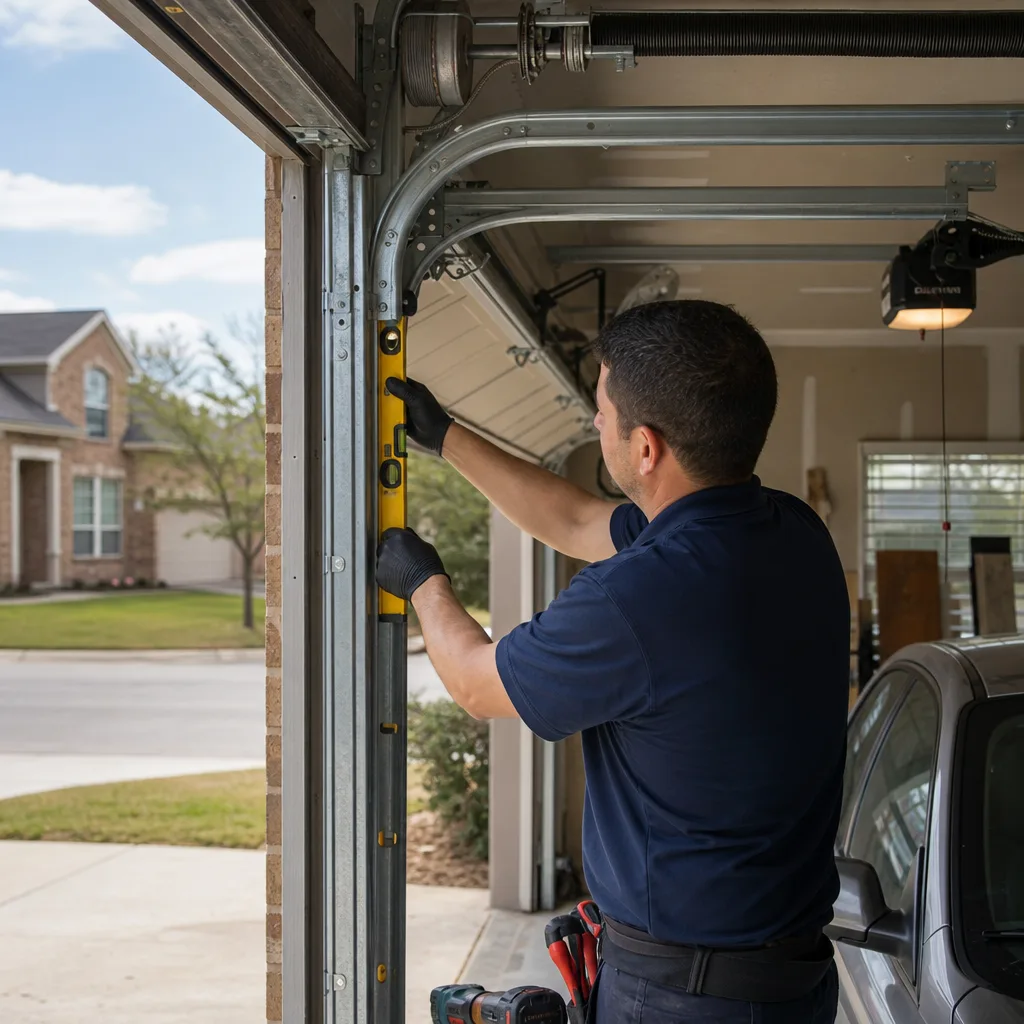
- When a Garage Door Project Requires a Permit in Dallas
- Work That Is Inspection-Exempt: The Like-for-Like Rule
- How to Verify a Contractor Pulled a Permit: Step by Step
- IRC and Local Code: What an Inspector Checks
- What ‘Up to Code’ Means on a Listing vs. a Permit Record
- HOA Overlay: When Deed Restrictions Sit on Top of City Code
- Permit Costs, Timelines, and Who Pulls the Permit
- Common Mistakes to Avoid
- When to Call a Professional
- Frequently Asked Questions
- The Bottom Line
BeforeAfterWhen a Garage Door Project Requires a Permit in Dallas
The City of Dallas requires a residential building permit when work alters the structure of the home or modifies electrical systems. For garage doors specifically, three scopes trigger the permit requirement. First, any change to the header above the door opening. The header carries the load of the wall above the garage, and widening a door opening or replacing a compromised header is structural work. Second, creating a new opening where none existed, such as converting a carport into an enclosed garage. Third, running a new dedicated electrical circuit for an opener, particularly in older Dallas homes where the garage may have only a single convenience outlet on a shared circuit.
A straightforward replacement of a garage door panel system, where the existing tracks, springs, and opener remain on their original circuits, typically does not require a permit. Neither does swapping a Chamberlain opener for a Genie unit when the circuit already exists and the outlet is already in place. The distinction hinges on whether the work touches structure or electrical infrastructure. We’ve seen this question come up consistently across Dallas neighborhoods from Lakewood to Preston Hollow, and the answer is nearly always the same: it depends on what the scope of work actually includes, not on the price tag of the project. Our Garage Door Repair Maintenance Checklist for Dallas Homeowners covers routine scope questions in more detail.
Our Garage Door Installation in Dallas page covers the full replacement process, but the permit conversation needs to happen before any materials are ordered. A written scope of work, which is Clause 1 of The Haven Standard, should state explicitly whether a permit is required for the project and who is responsible for pulling it. If your contractor cannot answer that question in writing, that is a signal worth paying attention to.
Work That Is Inspection-Exempt: The Like-for-Like Rule
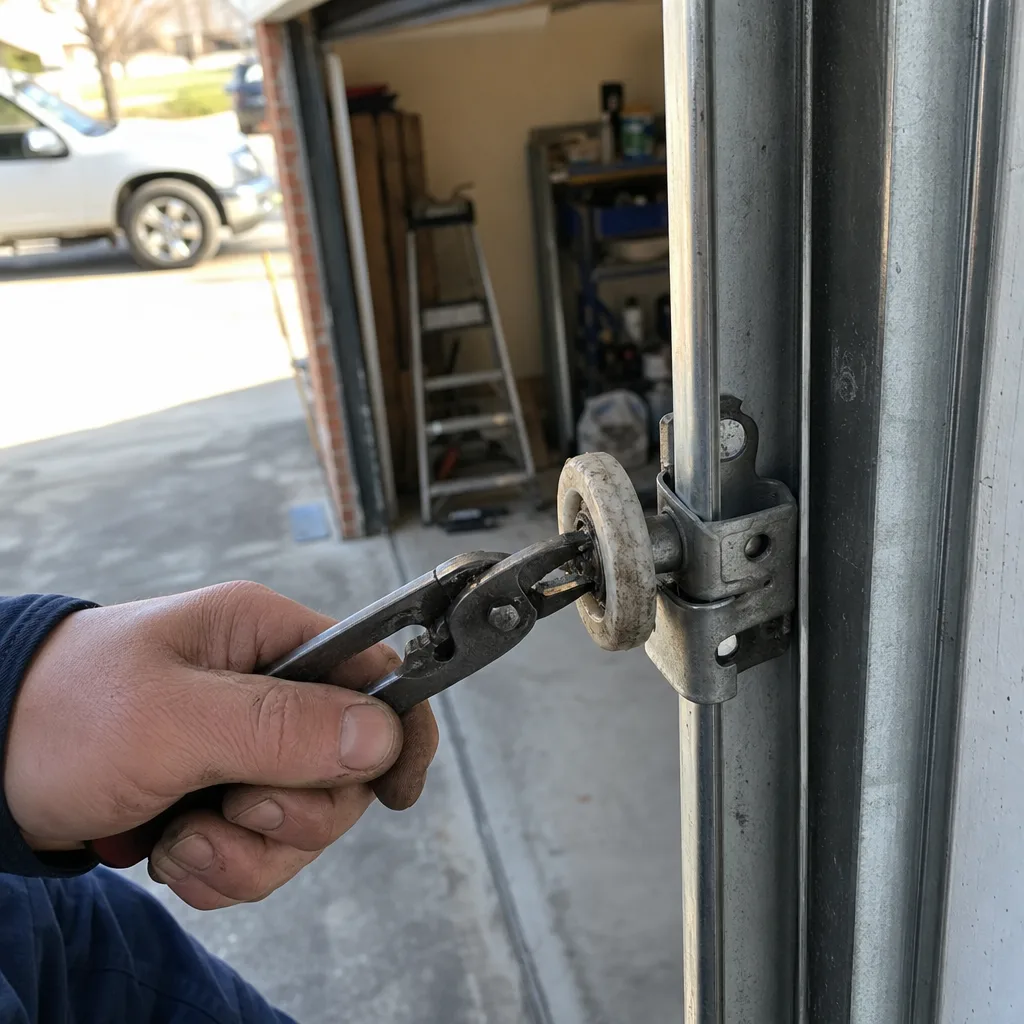
The City of Dallas follows the International Residential Code (IRC), and the IRC has a specific exemption for what is called “like-for-like” replacement. When a garage door is replaced with a door of the same dimensions, in the same opening, using the same structural header, and the opener plugs into an existing outlet on an existing circuit, no permit is required. This covers the majority of residential garage door replacements in Dallas.
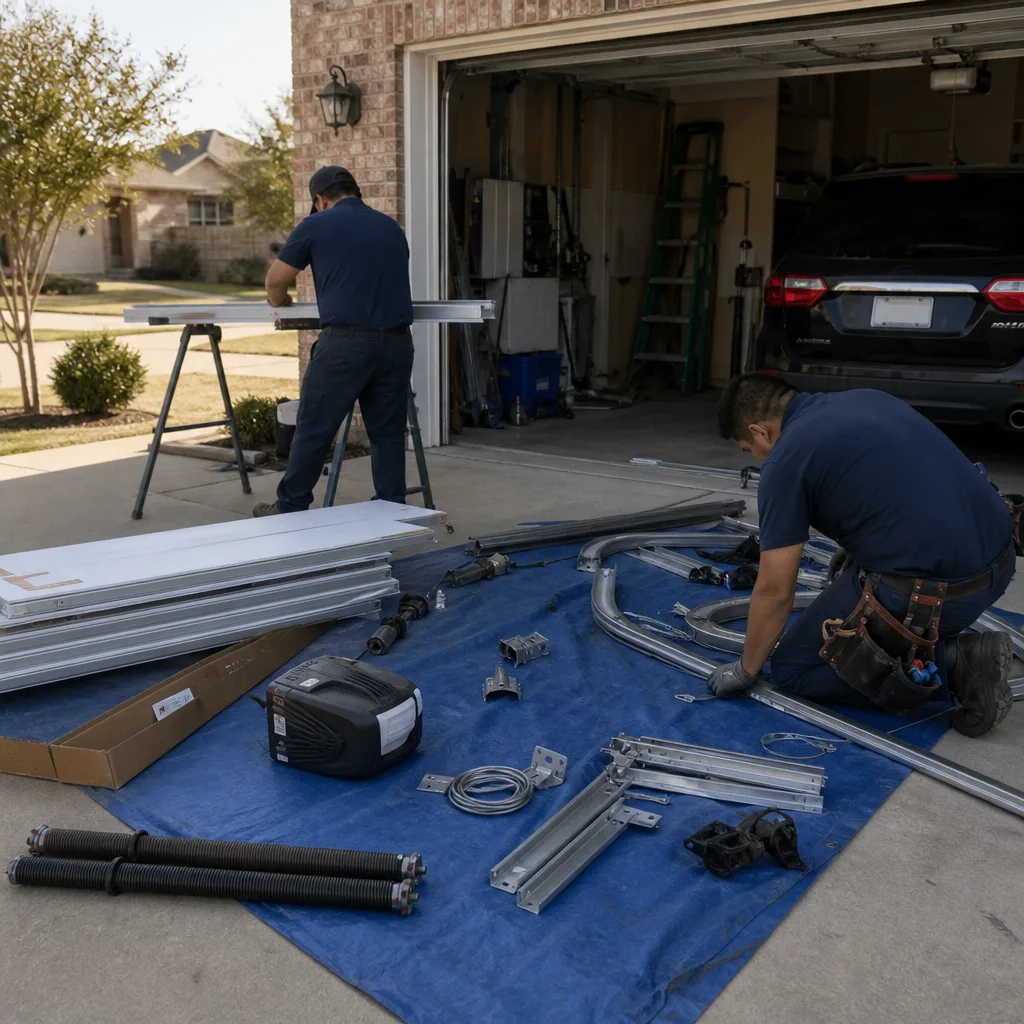
The like-for-like rule also covers spring replacement and track repair. Swapping a broken torsion spring for a new one of the same wire diameter and coil count is considered maintenance, not modification. Replacing rollers, hinges, and weather stripping similarly falls outside the permit requirement. These are the jobs that make up most of our repair calls through our Garage Door Repair in Dallas service, and none of them require standing in line at Dallas Development Services.
Where the like-for-like rule gets misinterpreted is with openers. A homeowner in the M Streets might assume that because the old opener was hardwired, installing a new LiftMaster or Chamberlain unit is automatic. But if the new opener requires a dedicated circuit and the current electrical setup doesn’t provide one, that is now an electrical scope of work. The IRC requires permits for new circuits, and Dallas enforces that requirement through its residential inspection program. The work may still be simple, but the regulatory path changes.
Exempt work is not code-exempt. An inspection-exempt garage door installation still must comply with all applicable safety code provisions, including spring containment, automatic reversal, and photoelectric sensor placement. The exemption applies to the permitting process, not to the standard of work.
How to Verify a Contractor Pulled a Permit: Step by Step
The Dallas Development Services department maintains a public online portal where any homeowner can search permit records by address. This is how you verify that a permit was actually pulled, and it takes about five minutes. Here is the step-by-step process:
- Go to the City of Dallas Development Services website and locate the “Permit Search” or “Building Inspection” portal.
- Select “Search by Address” and enter your street number and street name. Do not include the street type (Street, Avenue, Drive) in the search field.
- Filter the results by permit type. Look for “Residential Building Permit” or “Residential Electrical Permit.”
- Check the status field. A permit is only valid if it shows as “Issued” or “Active.” An application number alone means the permit has not been approved.
- Look at the “Scope of Work” description. It should match what the contractor told you they were doing. A permit for electrical work that describes “outlet relocation” does not cover structural header modification.
- Confirm the contractor’s name appears on the permit as the licensed party. If another company pulled the permit, that is a red flag.
We tell Dallas homeowners to ask for the permit number in writing before the work begins. A contractor who pulls the permit will have a number to give you, and you can verify it independently. If the number is never produced, the permit was likely never pulled. The photograph-before-quote rule that built Servo applies here too: documentation should be produced, not promised.
One more thing worth knowing. The portal shows permit history for the property, not just current permits. If you are buying a home in Dallas, run the address through the portal before closing. It will show you what work has been permitted historically, which tells you whether a recent garage door replacement or opener installation was done through the proper channel.
IRC and Local Code: What an Inspector Checks
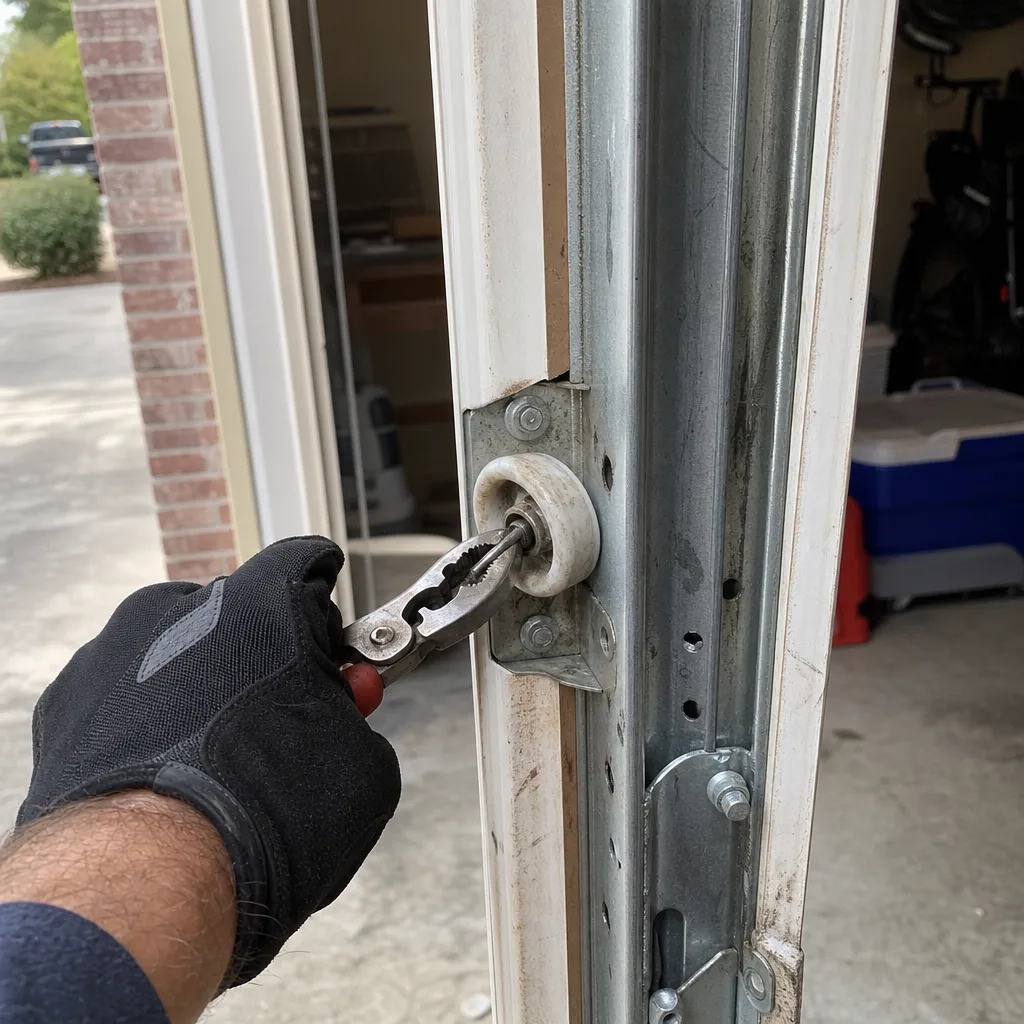
When a permit is pulled and a City of Dallas inspector arrives, they are looking at a specific checklist. The inspection is not a general quality review. It focuses on safety-critical components defined by the International Residential Code and adopted by the City of Dallas. Knowing what those components are helps you understand what the standard actually requires.
Torsion spring containment. This is the one that catches the most failed inspections in Dallas. IRC Section R309.4 requires that all garage door springs that are wound, including torsion springs, be equipped with a containment cable or be designed so that a broken spring cannot become a projectile. The containment cable runs through the center of the spring and is anchored to the header bracket. In our experience replacing springs in Dallas homes built between 2005 and 2020, we regularly find springs installed without containment cables because the home predates stricter local enforcement. An inspector will flag this immediately if the spring work is part of the permitted scope.
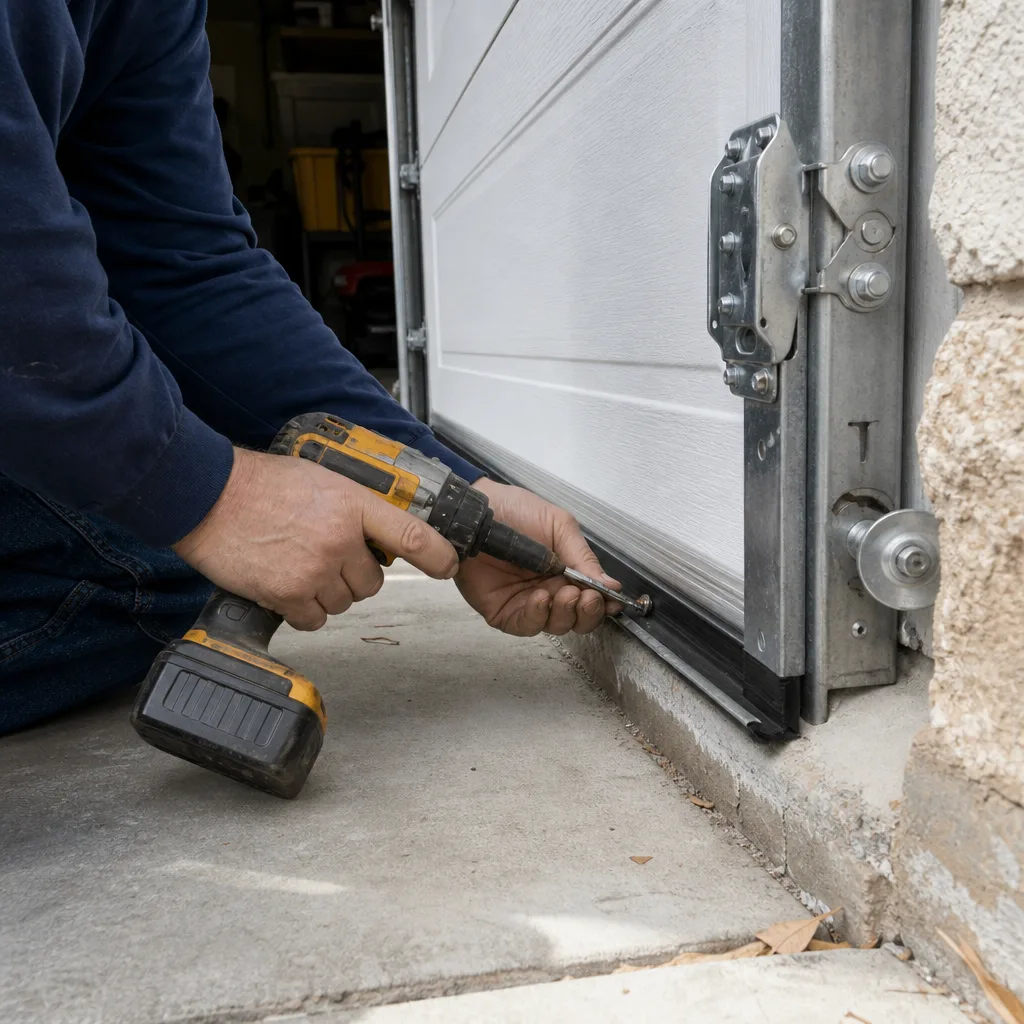
Header lag bolt spacing. The header bracket that holds the torsion spring assembly is bolted to the structural header with lag screws. The IRC specifies the minimum number and spacing of those lag bolts based on the door width and spring assembly weight. An inspector will check that the bracket is secured with the correct fastener pattern and that the header itself shows no signs of splitting or prior damage. A cracked header is a structural issue that voids the like-for-like exemption and triggers the full permit path.
Automatic reversal sensitivity. Every garage door opener installed after 1993 in a U.S. home is required to have an automatic reversal mechanism that stops and reverses the door when it encounters resistance. The inspector tests this with a 2×4 placed flat on the ground under the closing door. The door must reverse within two seconds of contacting the obstruction. The photoelectric sensors on either side of the door opening, mounted no higher than six inches off the floor, are also checked. A Genie or Chamberlain opener that fails this test fails the inspection, regardless of how new it is.
Photoelectric sensor placement and wiring. The IRC requires sensors mounted at six inches or lower, properly aligned, and connected with low-voltage wiring that is secured and not pinched by the track. Inspectors in Dallas will also look at how the wiring penetrates the wall. A hole drilled through an exterior wall without proper sealing is a moisture entry point and, in some cases, a code violation on its own.
Fire separation in attached garages. For homes with attached garages, Dallas code requires a fire-rated separation between the garage and living space. That includes the door from the garage into the house, which must be a 20-minute fire-rated door with a self-closing hinge. If your garage door project involves modifying the wall between the garage and the house, the inspector will check this separation carefully. This frequently surfaces in garage conversions and carport enclosures, which are increasingly common in Dallas neighborhoods where square footage is at a premium.
What ‘Up to Code’ Means on a Listing vs. a Permit Record
Real estate listings in Dallas use the phrase “up to code” as a marketing term. A permit record uses the same phrase as a legal status. The two are not the same thing, and the difference matters when a home goes under contract.
When a listing agent writes “garage door replaced 2021, up to code,” that statement is typically based on the seller’s word, not on a city inspection record. The garage door may have been installed correctly. The springs may have containment cables. The opener may reverse properly. But that is a description of workmanship, not an official determination of code compliance. An unpermitted installation can be perfectly safe and still be a title problem.
A permit record says something different. It says the City of Dallas reviewed the scope of work before it began, inspected it after it was completed, and issued a final approval. That final approval is a legal document. It is what a buyer’s lender may ask for when irregularities surface during a title search, and it is what a buyer may demand as a condition of closing. The lack of a permit record for work that required one can delay or derail a sale, regardless of the quality of the installation.
Here is the practical takeaway for a Dallas homeowner. If you are selling, and you had garage door work done that included structural or electrical scope, find your permit record before you list. If you don’t have one, the Dallas Development Services portal can tell you quickly whether one exists. If it doesn’t, a retroactive permit may be needed before a buyer’s lender will move forward. A retroactive permit involves opening the wall or exposing the work for inspection, which is more expensive than pulling the right permit in the first place.
If you are buying, run the address’s permit history. Compare what the permit history shows against what the seller’s disclosure describes. The seller’s disclosure form asks specifically about unpermitted work, and a mismatch between the disclosure and the permit record is exactly the kind of thing that surfaces at a closing table in Preston Hollow or East Dallas and turns a straightforward transaction into a negotiation over credits.
HOA Overlay: When Deed Restrictions Sit on Top of City Code
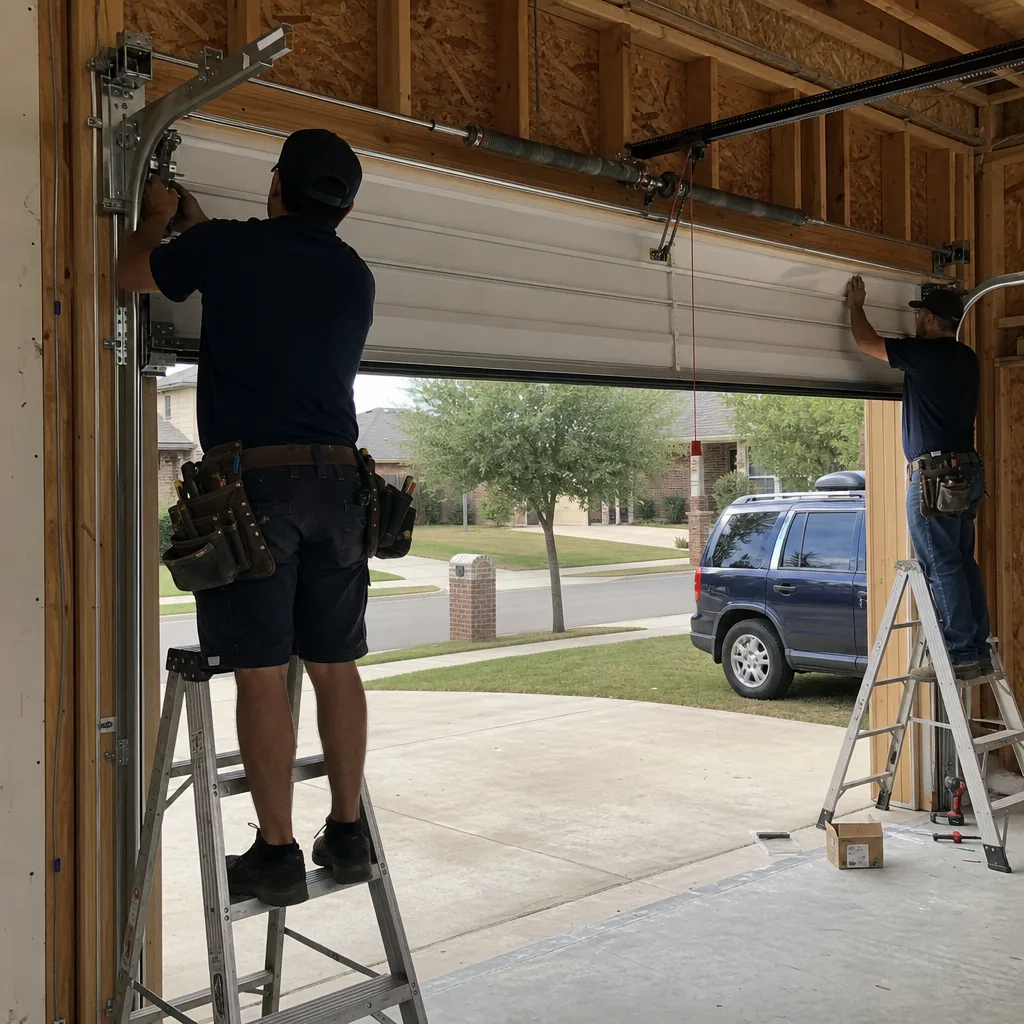
City code and HOA deed restrictions are separate legal systems, and Dallas homeowners need to understand how they interact. The City of Dallas regulates safety and structure. An HOA regulates aesthetics and, in some communities, materials and design. Both can apply to the same garage door, and they are enforced by entirely different mechanisms.
In master-planned communities and older deed-restricted neighborhoods across Dallas, from Lake Highlands to Kessler Park, HOAs commonly require architectural review committee approval before a garage door is replaced. The HOA may specify acceptable materials, colors, and even panel styles. A Clopay door in a particular finish may satisfy city code perfectly and still violate the HOA’s design guidelines. The HOA’s remedy is not a stop-work order; it is a fine, a lien, or a demand to replace the door at your expense.
When city code and HOA rules conflict, the city code governs safety. An HOA cannot require you to install a door that violates the IRC’s spring containment requirement, and it cannot prohibit a photoelectric sensor that the IRC mandates. But when the HOA rule is more restrictive than city code on aesthetics, the HOA rule is enforceable because deed restrictions are contractual obligations attached to the property.
The sequence that works is this: determine your project’s permit status first, then run the HOA approval process in parallel. The HOA may take weeks to review a design request, and many HOAs in Dallas require the garage door plans as part of the architectural submission. A contractor who has handled both the city permit and the HOA submission can help you sequence it correctly. The important part is that neither process is optional when both apply, and the HOA’s aesthetic restrictions do not exempt you from city permit requirements.
Permit Costs, Timelines, and Who Pulls the Permit
Dallas residential building permit fees vary by valuation of the work, but a typical garage door structural modification permit runs between $100 and $400 depending on the scope. An electrical permit for a new opener circuit typically falls in the $50 to $150 range. These are municipal fees only. The contractor’s time for permit application, scheduling, and meeting the inspector is a separate line item, and that should be listed in the written scope of work.
Timeline depends on the complexity of the permit review. Simple electrical permits in Dallas can be issued within a few business days. Structural permits that require plan review, such as header modification on a load-bearing wall, can take two to four weeks depending on current volume at Dallas Development Services. The inspection itself is scheduled after the work is complete, and Dallas inspectors are typically available within a few days of the request.
Who pulls the permit is a question with a clear professional answer. The contractor performing the work should pull the permit under their license. That is how the City of Dallas structure is designed to work. When a homeowner pulls the permit and hires an unlicensed or semi-licensed handyman to do the work, the homeowner assumes the liability for code compliance, and they are the one standing in front of a title problem later. See How to Hire a Garage Door Contractor in Dallas: A Step-by-Step Guide to avoid this scenario.
Make sure the permit cost and the permit responsibility are in the written quote. Clause 1 of The Haven Standard requires a flat, written price and written scope before any work starts, and permit costs are part of that scope. If the quote says “permit included,” ask for the permit number once the work is underway. If the quote omits any mention of permits, ask why. On a like-for-like replacement, omission may be correct. On a structural job, omission is a warning sign.
Common Mistakes to Avoid
- Assuming all garage door work is permit-exempt. A like-for-like swap does not require a permit, but widening the opening, altering the header, or running a new opener circuit does. Finding out after the fact means a retroactive permit and potentially opening walls for inspection.
- Trusting the phrase “up to code” without a permit record. Installers can work to code without a permit, but a code-compliant installation and a legal permit record are not the same thing. The permit record is what protects you at sale.
- Replacing a torsion spring without a containment cable. This is one of the most common code failures we see in older Dallas homes. The IRC requires containment cables, and a missing cable is both a safety liability and an inspection failure.
- Skipping the photoelectric sensor check after a new opener install. A Chamberlain or Genie opener can be installed correctly but still fail the reversal test if the sensor height exceeds six inches or alignment is off by a fraction. Test it before the inspector does.
- Ignoring the HOA’s architectural review process. City permits do not exempt you from deed restrictions. Installing a Clopay door that the HOA rejects can mean replacing it at your own expense.
- Pulling the permit yourself while an unlicensed worker does the job. The permit ties you to the work. When the structure under the DIY permit fails, that failure is yours, and the correction is yours to fund.
- Not asking for the permit number in writing before work begins. A contractor who will not produce a permit number in writing before the job starts is telling you something worth hearing.
When to Call a Professional
Any project that involves structural header modification, new electrical circuits, or widening a garage door opening needs a licensed contractor who can pull the permit, meet the inspector, and document the work. The same is true for torsion spring replacement, which is not a DIY job. The spring operates under high tension, and a broken or improperly installed spring releases that energy without warning. The containment cable protects you from projectile failure, but the installation itself should be done by someone who handles this specific component regularly. Servo Garage Doors Dallas home documents every visit with a photo record of what was found and what was done, which is the same discipline a permit inspection demands. For opener work, our Garage Door Opener Repair & Installation in Dallas service covers circuit assessment, sensor calibration, and code compliance checks. Servo Garage Doors Dallas offers free estimates in Dallas - call (469) 460-9039.
Frequently Asked Questions
A like-for-like garage door replacement that does not modify the opening, header, or electrical system does not require a permit in Dallas. A replacement that involves structural header changes, creating a new opening, or running a new electrical circuit does require a residential building or electrical permit through Dallas Development Services. Call (469) 460-9039 and we will tell you in writing which path your project falls under.
A typical Dallas garage door structural permit runs between $100 and $400 depending on the valuation of the work, and a new electrical circuit permit typically runs between $50 and $150. These are municipal fees and do not include the contractor’s time for the permit application and inspection scheduling. That time should be itemized in the written quote.
Use the Dallas Development Services online portal and search by your address. A valid permit shows as “Issued” or “Active,” with a scope of work description that matches your project, and the contractor’s name listed as the licensed party. The search is free and takes about five minutes.
You can list the home, but the unpermitted work must be disclosed on the seller’s disclosure form, and a buyer’s lender may require a retroactive permit before closing. A retroactive permit involves exposing the work for inspection, which is typically more expensive than pulling the permit before the original work began.
A containment cable runs through the center of a torsion spring and anchors to the header bracket so that if the spring breaks, the broken coil cannot become a projectile. The IRC requires containment cables on all residential garage door springs, and Dallas inspectors check for them on any permitted garage door work.
No. City code governs safety and structural requirements, and an HOA cannot require a door that violates those requirements. But an HOA can impose stricter aesthetic standards such as acceptable colors, materials, and panel profiles, and those deed restrictions are legally enforceable through fines or liens. Both sets of rules apply when both exist.
Replacing an opener on an existing circuit using the existing outlet generally does not require a permit. Running a new dedicated electrical circuit for the opener does. A new Genie, Chamberlain, or LiftMaster unit installed on an existing circuit is inspection-exempt; the electrical work is the permit trigger, not the opener itself.
The inspector checks spring containment cables, header bracket lag bolt spacing, automatic reversal sensitivity with a 2×4 test, photoelectric sensor height and alignment, and fire-rated separation in attached garages. It is a safety checklist defined by the IRC, not a general quality review.
The Bottom Line
A garage door project in Dallas is either a like-for-like replacement that stays off the permitting radar, or a structural or electrical job that belongs on it. The trigger is the scope of work, not the price of the door. Know which path your project takes before materials are ordered. Verify the permit number in the Dallas Development Services portal. Check the HOA rules before you choose a door. Keep the permit record because it is the document that protects you at the closing table years later. A properly permitted garage door installation is not a bureaucratic burden; it is the paper trail that turns a garage door into an asset instead of a disclosure problem. Browse our more guides & resources for Dallas homeowners.
Written by Marcus Deller, Owner at Servo Garage Doors Dallas, serving Dallas since 2015.