
Last updated September 20, 2026
Full 25-point door and opener safety check with every visit - springs, cables, rollers, tracks, and your LiftMaster or Chamberlain opener included
You get a price before we start. It does not change when the truck arrives.
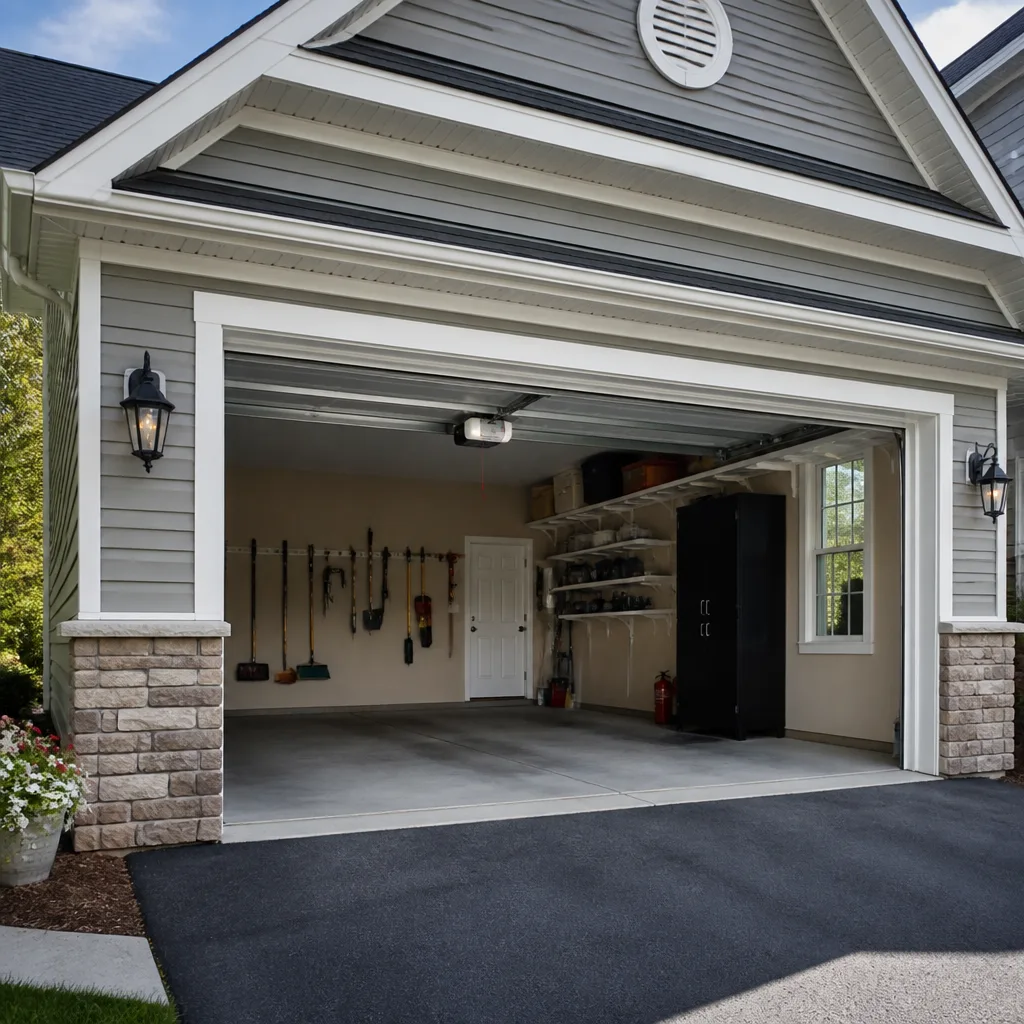
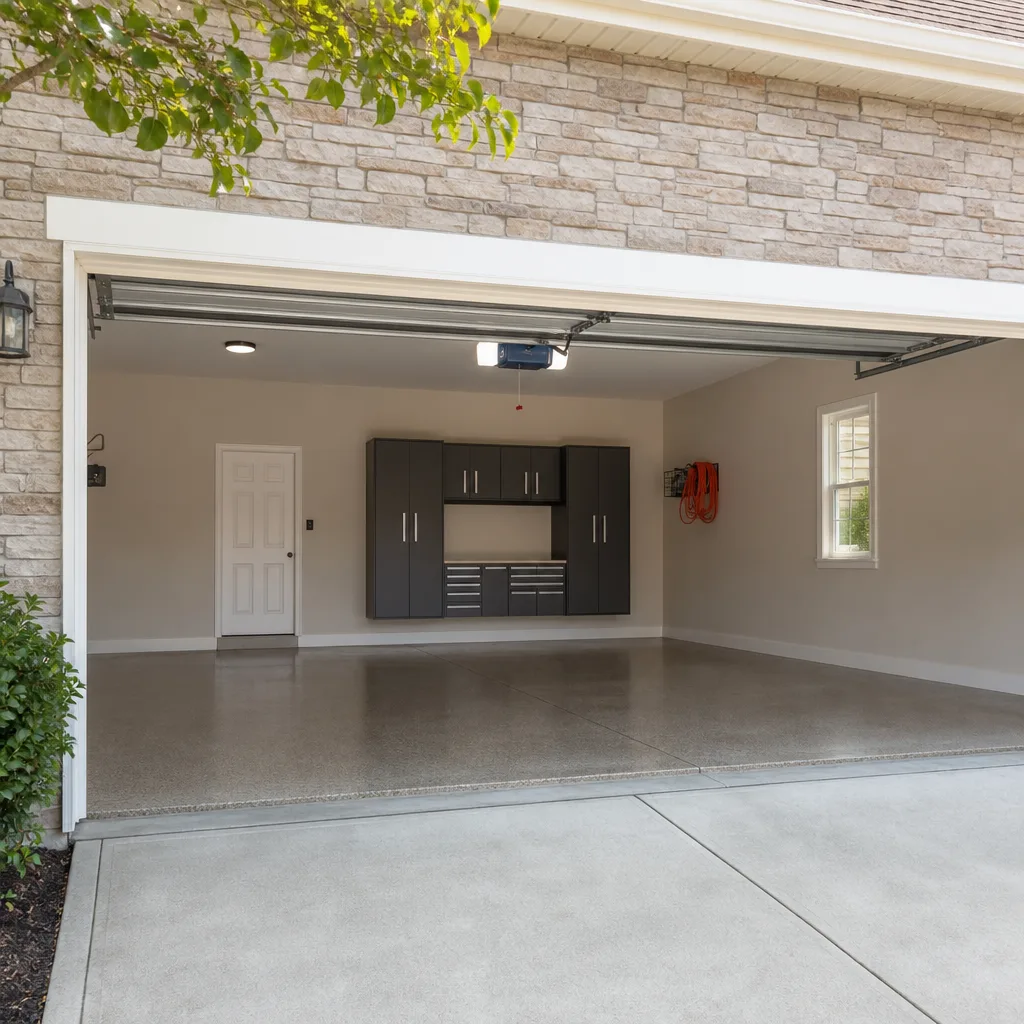
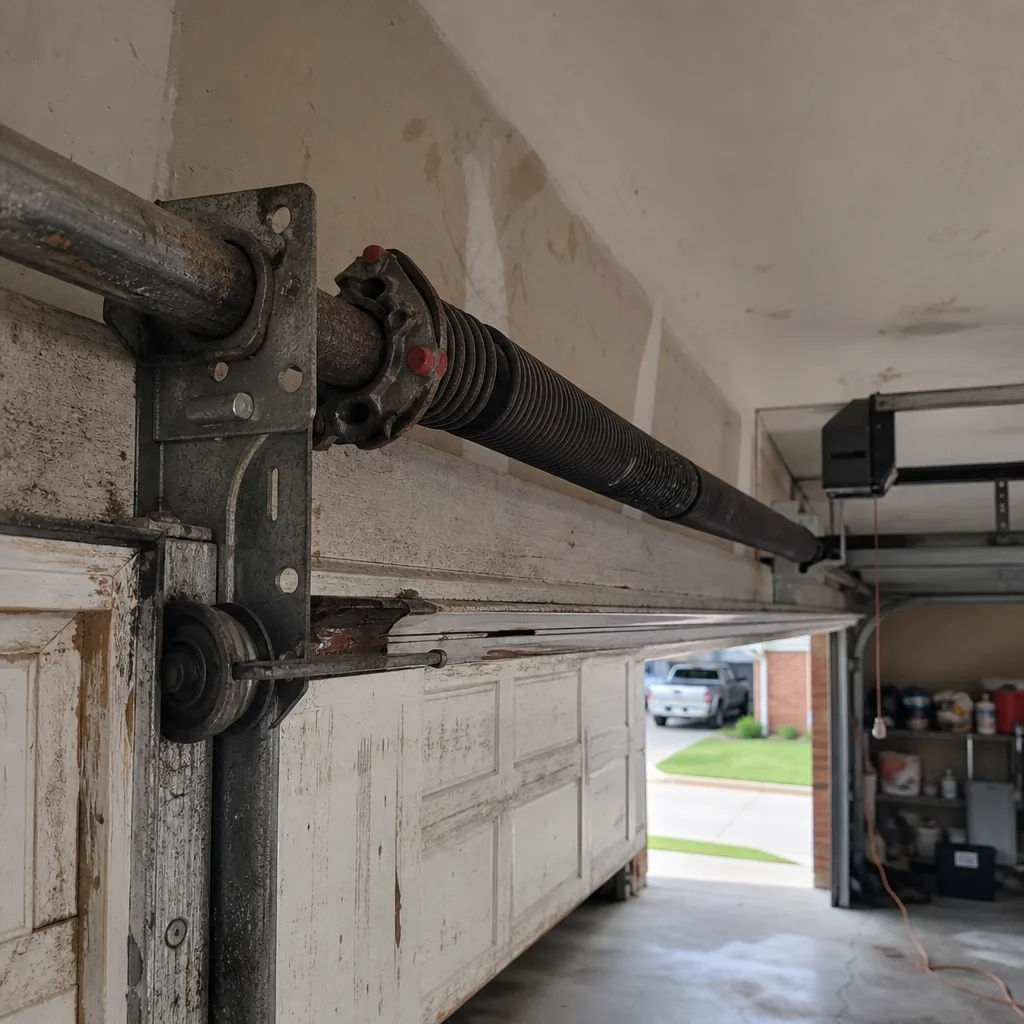 Before
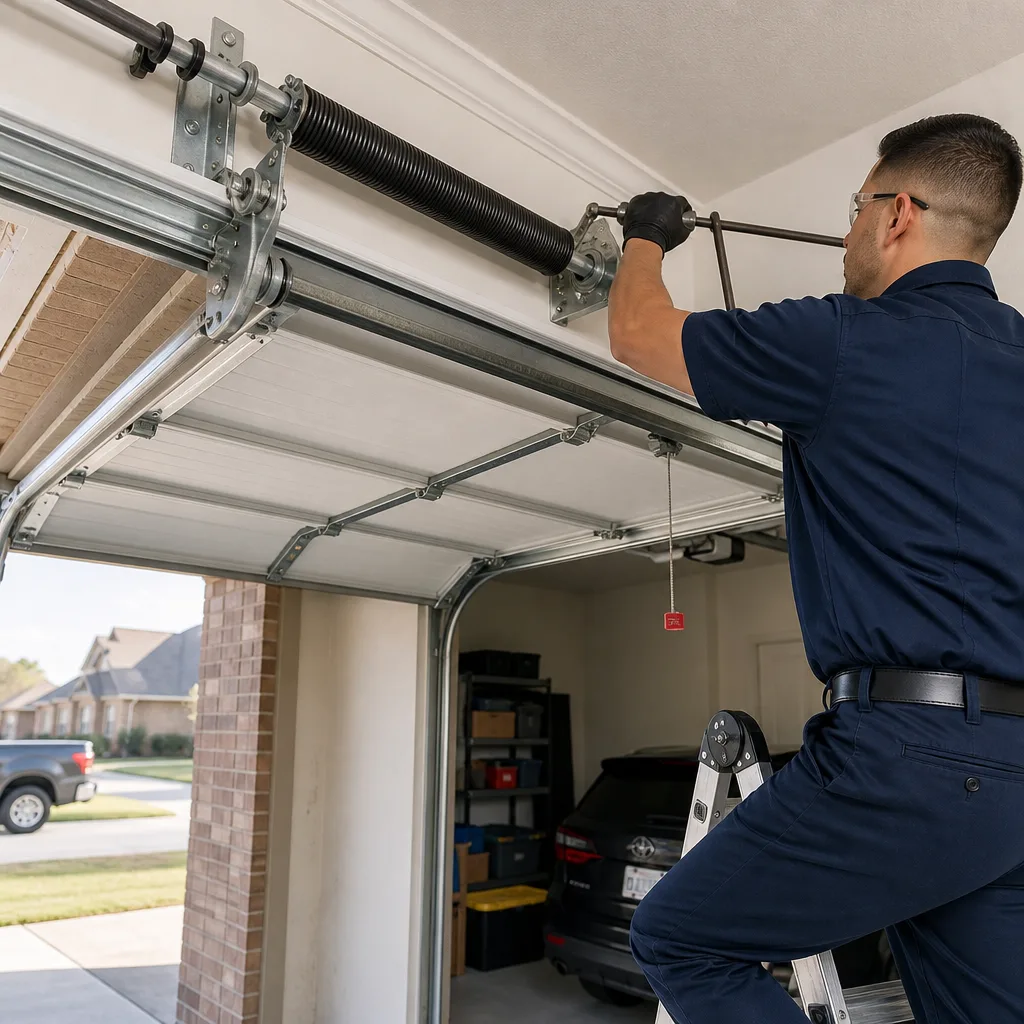 After
After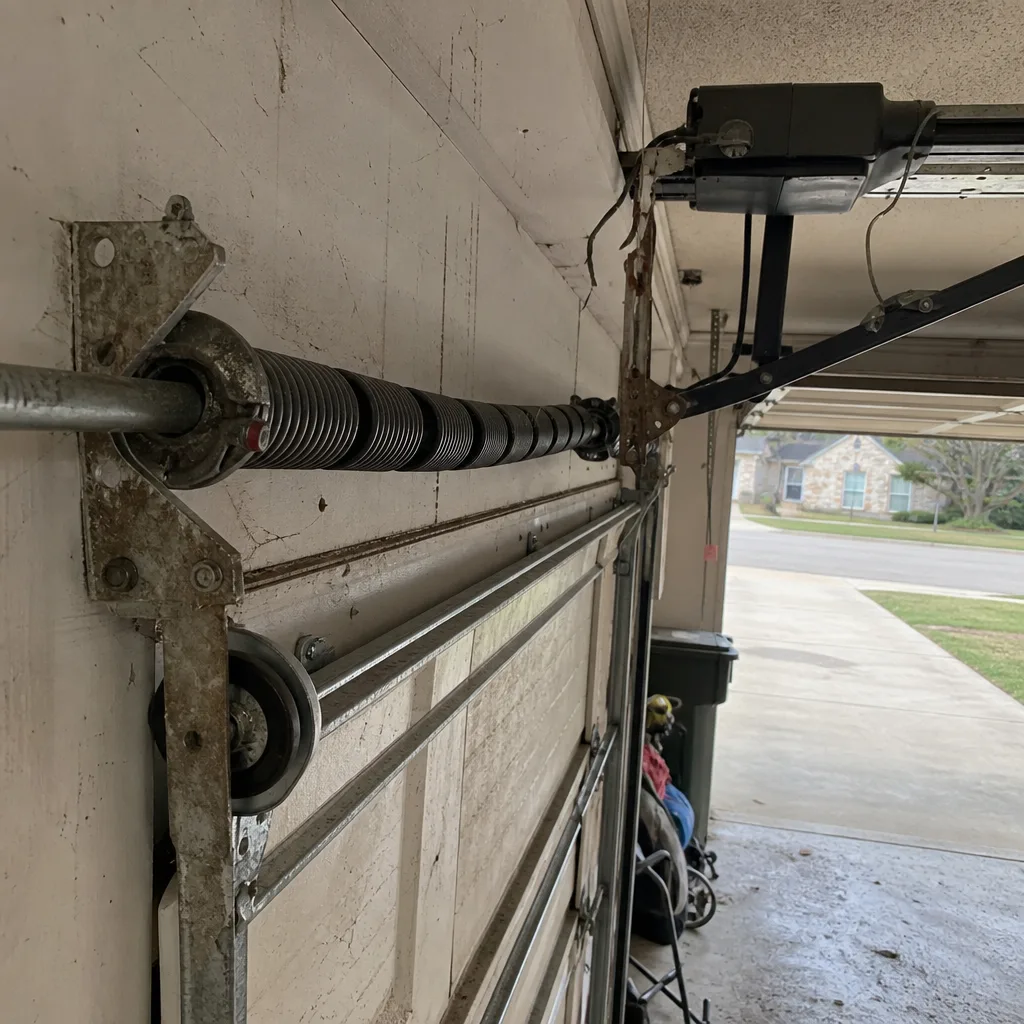 Before
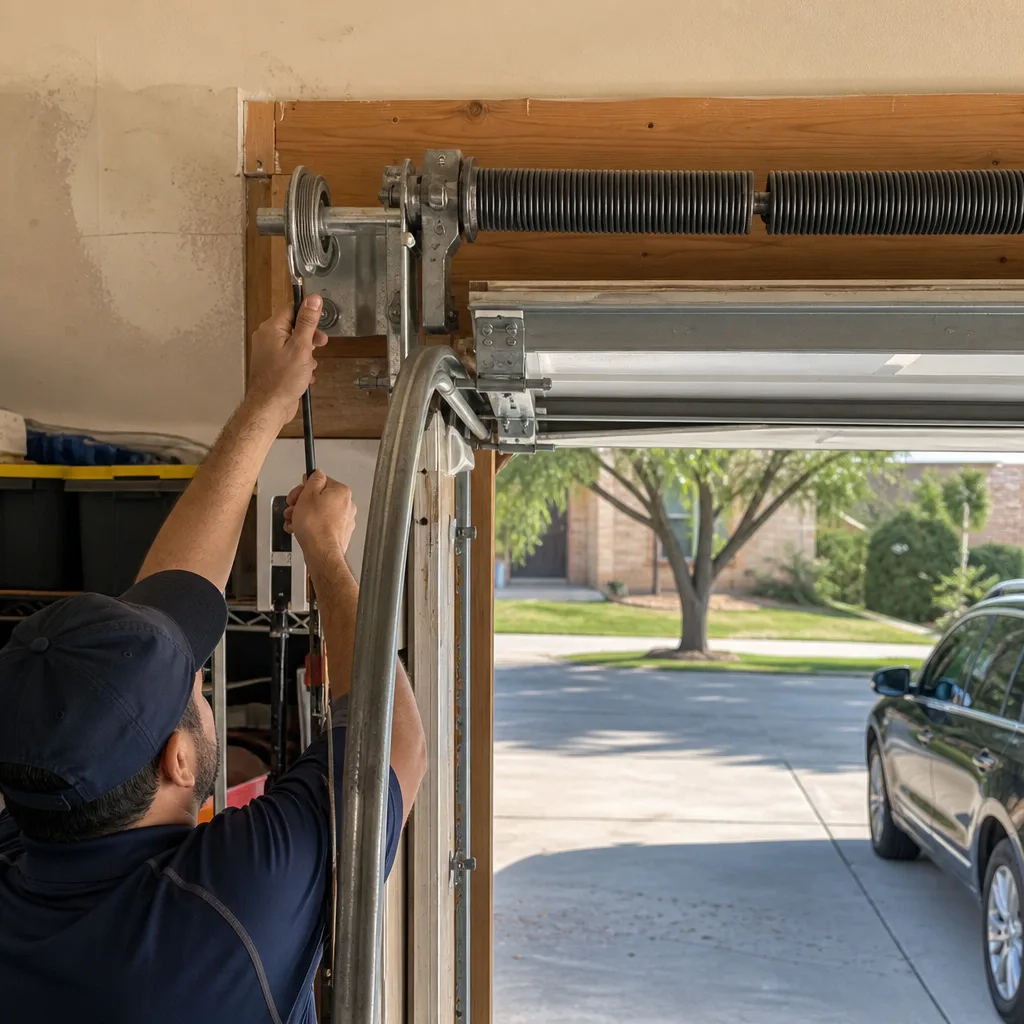 After
After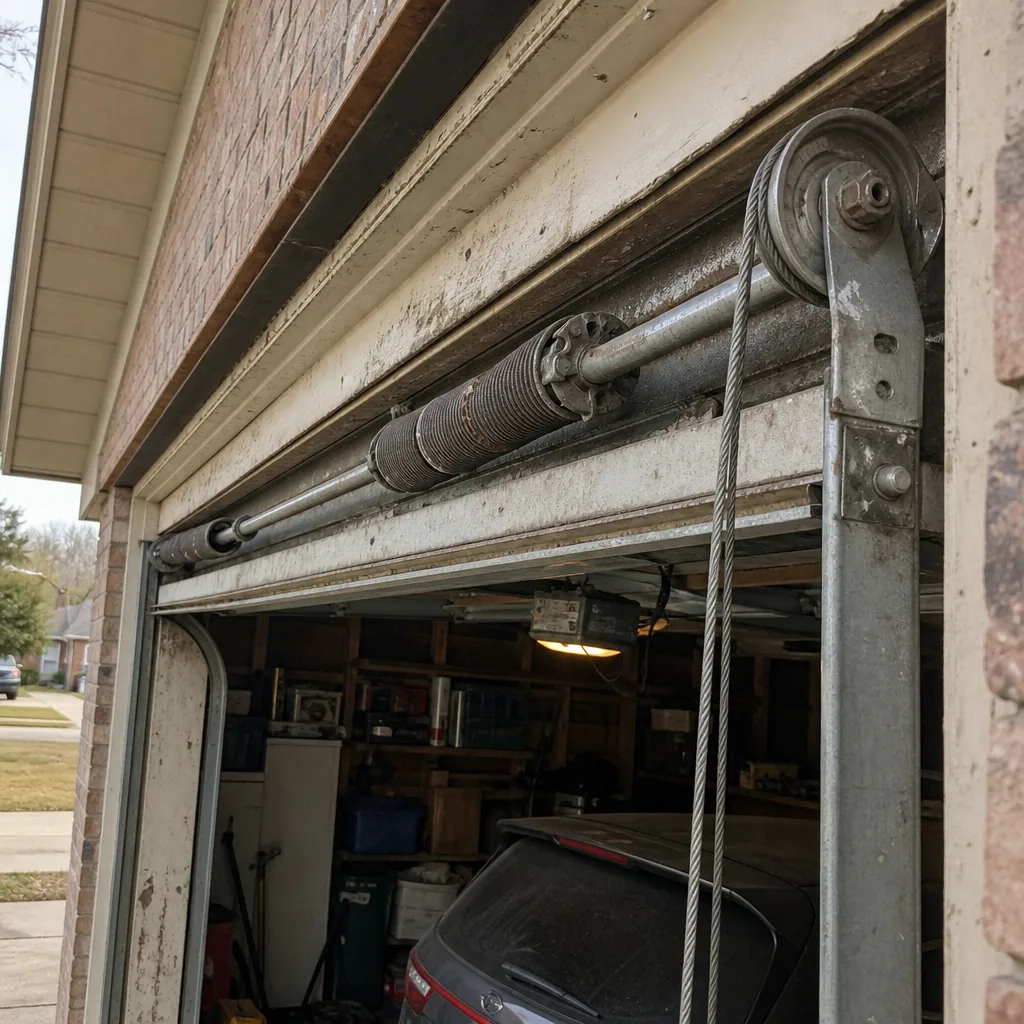 Before
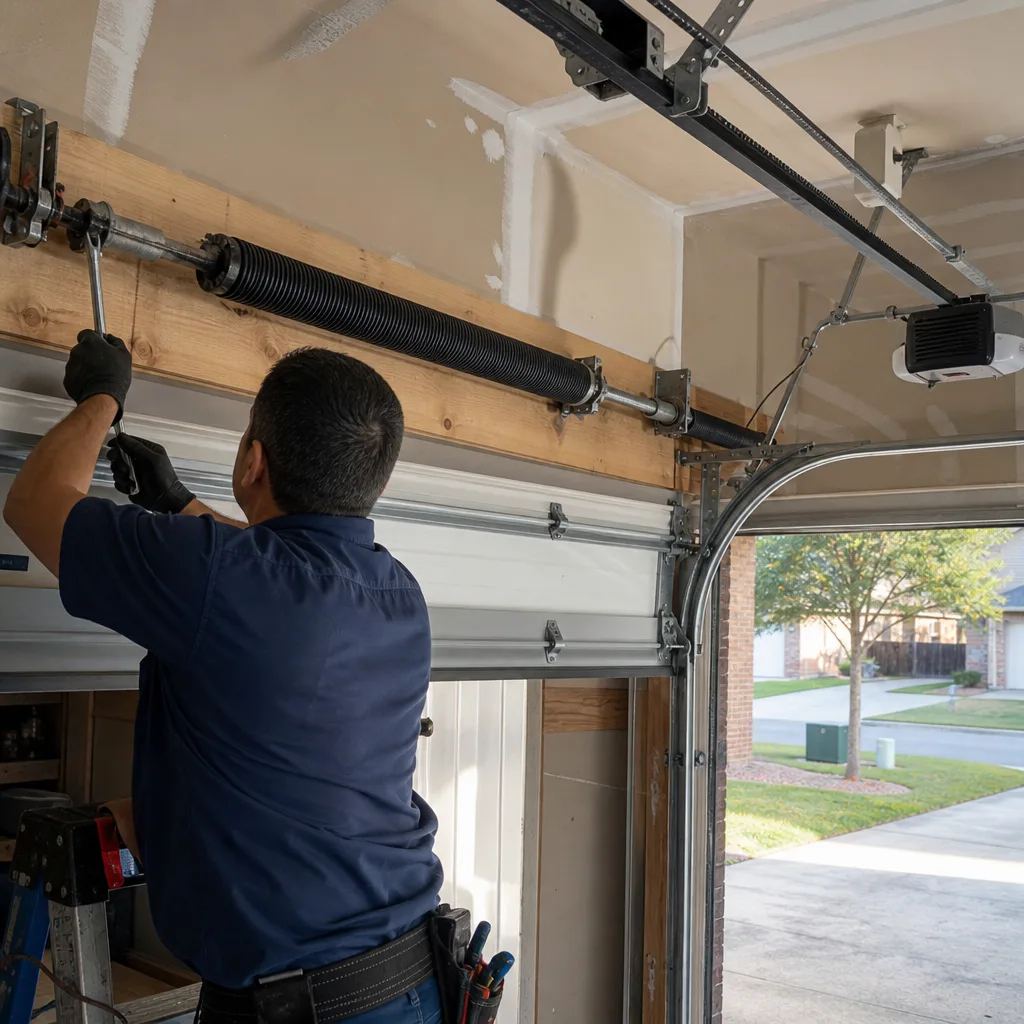 After
AfterHow to Hire a Garage Door Contractor in Dallas: A Step-by-Step Guide
The Texas Department of Licensing and Regulation (TDLR) does not issue a specialty license for garage door technicians, and that single fact explains most of the confusion in the Dallas hiring market. A TDLR registration covers the business entity that pulls the permit or files the paperwork. It says nothing about the person who walks into your garage and puts their hands on a torsion spring under 200 pounds of tension. This guide walks you through what to verify, what to ask before anyone dispatches a truck, and how to read the written quote you should demand before any work starts. We’ve spent a decade in Dallas garages, and the homeowners who hire well all do the same five things.
Quick Answer
Hire a garage door contractor in Dallas by verifying the business’s TDLR registration, confirming insurance, then asking five specific questions about how they document findings and price work before scheduling. Request a written, itemized quote broken into parts, labor, and warranty terms before you authorize anything, and compare competing quotes line by line rather than by the bottom number alone. Call Servo Garage Doors Dallas at (469) 460-9039 for a flat, written price and a photographed record of everything we find.
Table of Contents
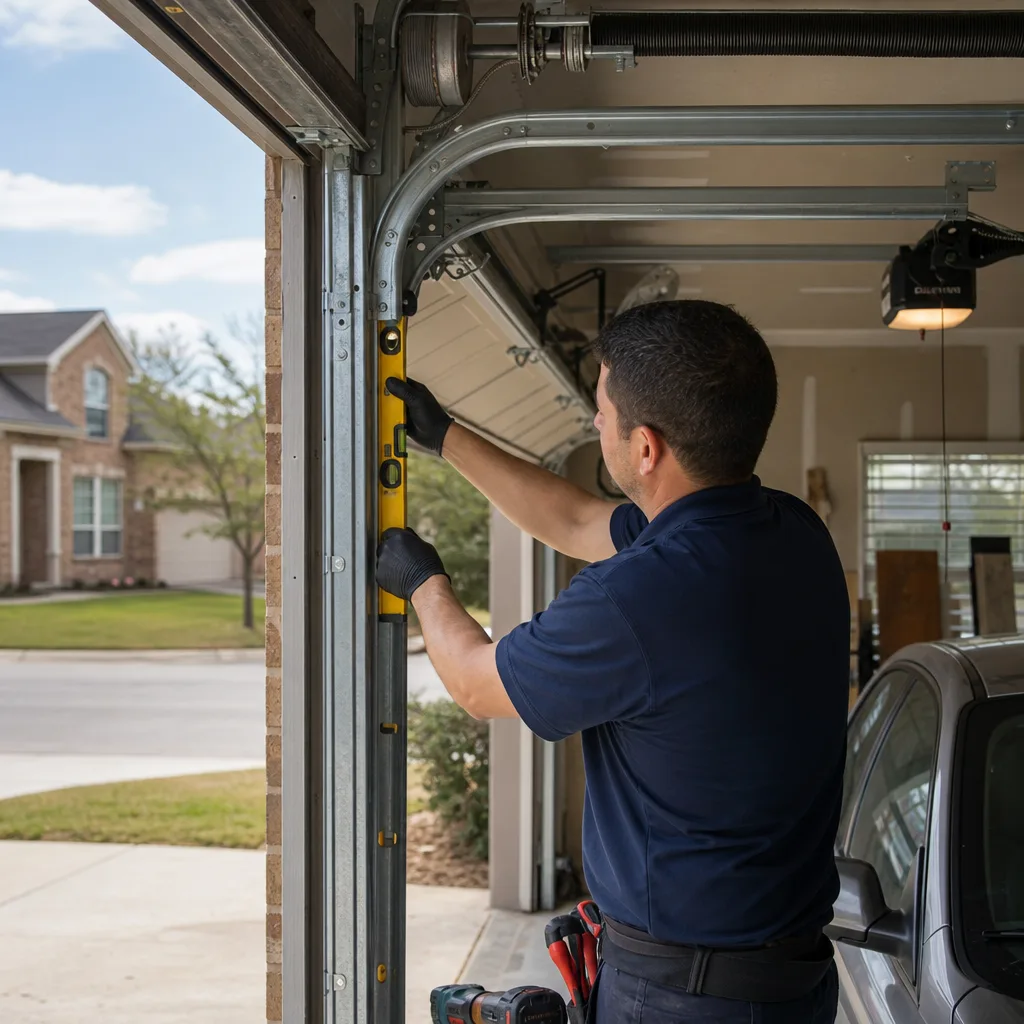
- TDLR Registration: What It Covers and What It Doesn’t
- The Five Questions to Ask Before Scheduling a Service Call
- How to Read a Written Garage Door Quote in Dallas
- Red Flags Specific to the Dallas Garage Door Market
- How to Compare Two Quotes When One Is Itemized and One Is a Single Number
- Documentation Practices That Separate Serious Contractors from Dispatch Mills
- What Dallas Climate and Housing Stock Mean for Your Garage Door
- Common Mistakes to Avoid
BeforeAfterTDLR Registration: What It Covers and What It Doesn’t
Start with the Texas Department of Licensing and Regulation. Go to the TDLR website, search the business name, and confirm the registration is active and current. That check takes five minutes and eliminates any company operating without the baseline state requirement. But understand what you just verified and what you did not.
A TDLR registration is a business-level credential. It confirms the company filed the appropriate paperwork, paid the fee, and carries whatever minimum insurance the state requires for the registration class. It does not certify that the technician arriving at your door has completed any door-specific training. It does not verify experience with torsion spring replacement, cable rerouting, or opener logic board diagnosis. The individual turning wrenches on your door is not individually licensed by the state of Texas.
This is why “fully licensed” as a marketing claim carries so little weight in the Dallas garage door market. Nearly every legitimate operator holds the TDLR registration. The differentiator is what the company does after the registration: how they train technicians, how they document findings, how they price work, and whether they put their license number on the page where a customer can see it. The registration answers the minimum bar. It answers nothing about whether the quote you receive will survive contact with the technician’s first look at your door.
Before you end the verification step, ask for a certificate of insurance directly from the carrier or through the company’s insurance agent. A TDLR registration does not replace this step. The certificate should name the business and show general liability coverage in force. Any contractor who hesitates to produce it has told you everything you need to know.
The Five Questions to Ask Before Scheduling a Service Call
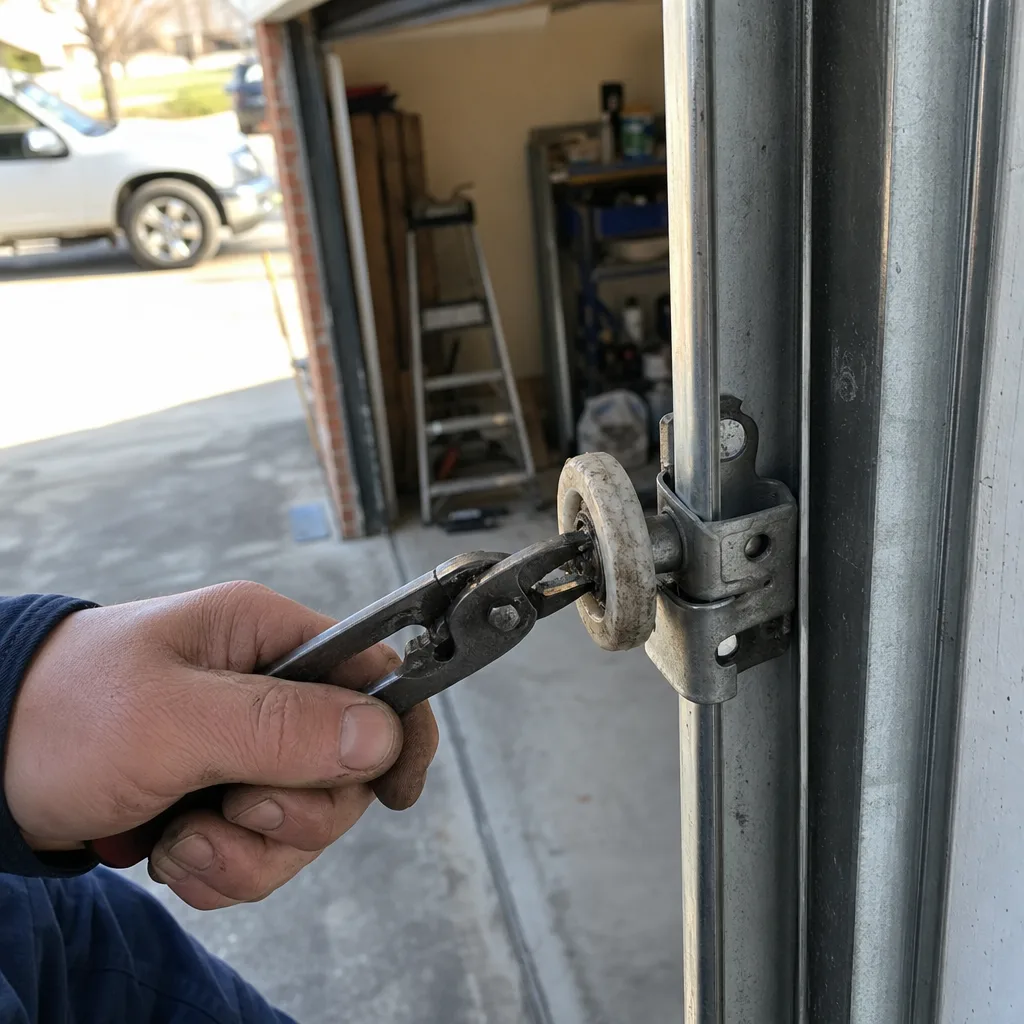
Once the registration and insurance check out, the real hiring filter begins. These five questions are designed to reveal how a company operates before a technician ever steps into your garage. Ask them on the phone or by text, and pay attention to how the person answers, not just what they say.
- “Do you photograph the failed component before quoting a replacement?” This is the single most revealing question in the garage door industry. A company that photographs the broken spring, the stripped gear, the burned logic board before quoting a replacement is running a documentation-based business. They have nothing to hide because the evidence sits in the customer’s inbox. A company that refuses, deflects, or says “we’ll show the tech when he arrives” is protecting their ability to describe a problem you cannot see. Clause 4 of The Haven Standard, the operating document behind Garage Door Repair in Dallas, makes this photography step mandatory on every job. We adopted it as a founding rule in 2015 because a customer who sees the broken part makes a better decision than one who takes a phone description on faith.
- “Will I receive a written price and written scope before any work starts?” In our view this is not a negotiation. Clause 1 of The Haven Standard requires a flat, written price and written scope delivered before the technician touches a single bolt. If the company says “we’ll give you a number when the tech gets there” or “call for a quote,” hang up. “Call for a quote” is a sign the company prices by feel rather than by documented measurement.
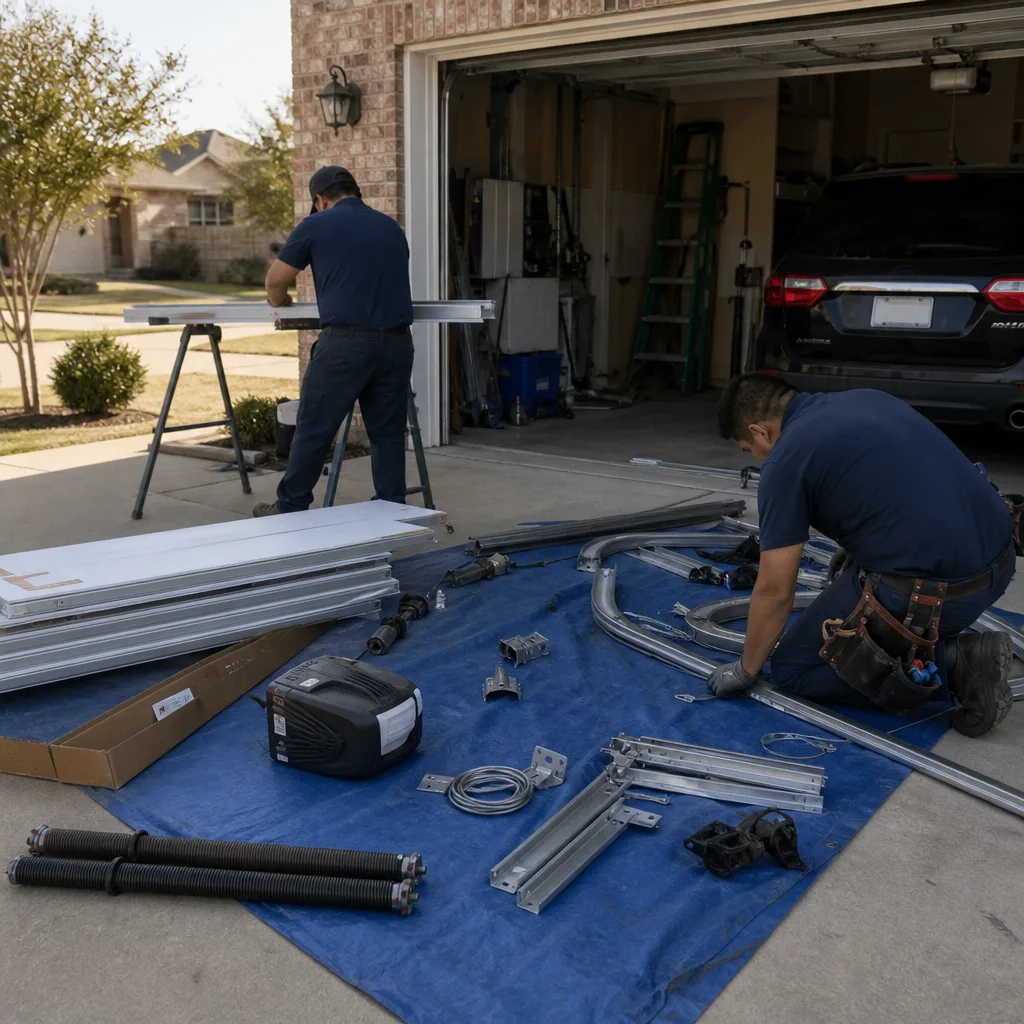
- “What does your technician carry on the truck?” A serious Dallas garage door company stocks torsion springs in the common wire diameters, extension springs, cables, rollers, hinges, sensors, and opener parts on the vehicle. When the dispatcher cannot tell you what the truck carries, you are likely dealing with a lead-generation service that will send a third-party contractor who then orders parts and schedules a return visit. That return visit usually comes with a second service fee.
- “Do you work on all major brands?” The question itself is less important than the fluency of the answer. A company that services LiftMaster, Chamberlain, Genie, Clopay, Amarr, Wayne Dalton, Craftsman, and Raynor will say so without pausing. A company that says “we work on most doors” may not carry the brand-specific parts your door needs. Dallas homes built between 2015 and 2025 skew heavily toward LiftMaster and Chamberlain openers with Amarr or Clopay doors, and those parts are specific.
- “Who answers the phone at 3 a.m. on a Sunday?” A live person is the standard for emergency garage door service. A recording with a callback window is how dispatch mills handle overflow. The answer to this question tells you whether the company you are hiring at noon will answer when the spring breaks at 3 a.m.
How to Read a Written Garage Door Quote in Dallas
A written quote with a single bottom-line number is not a quote. It is a wish. A proper garage door quote separates parts, labor, disposal, and warranty into line items you can inspect against a competing bid. Here is what should appear separately on any written quote you receive in Dallas.
- Parts: listed by component name and quantity. “Torsion spring, 0.225-inch wire diameter, 2 each” is a professional line item. “Springs – $300” is a bundled description that hides the parts-to-labor ratio and prevents you from comparing the spring cost to retail pricing.
- Labor: a separate line for installation or repair time, quoted flat rather than hourly where possible. Flat labor pricing removes the incentive for a technician to work slowly on a time-and-materials job.
- Service call fee: if one applies, it should be disclosed on the phone before the truck rolls and credited toward the repair if you proceed. A company that does not disclose a service call fee until the technician arrives is testing how far your politeness will bend.
- Disposal or haul-away: if an old door, opener, or section is being removed, the haul-away charge should be a line item. Companies that bury disposal costs inside “miscellaneous” or “shop supplies” are hiding labor inflation.
- Warranty terms: in writing, with the duration stated. A written warranty on a torsion spring replacement in Dallas should specify the spring wire diameter and the number of cycles if the spring is an upgraded high-cycle model. A vague “one-year warranty on parts” is weak documentation.
On a typical torsion spring replacement in Dallas, a reasonable parts-to-labor ratio runs roughly 35 to 45 percent parts and 55 to 65 percent labor. When parts appear at 20 percent or below, the labor line is inflated or the technician is using a cheap spring that will fail early. When parts appear above 60 percent, the parts markup is aggressive. These are heuristics, not rules, and every job varies, but the ratio gives you a place to start when the quote has line items you can actually inspect.
Red Flags Specific to the Dallas Garage Door Market
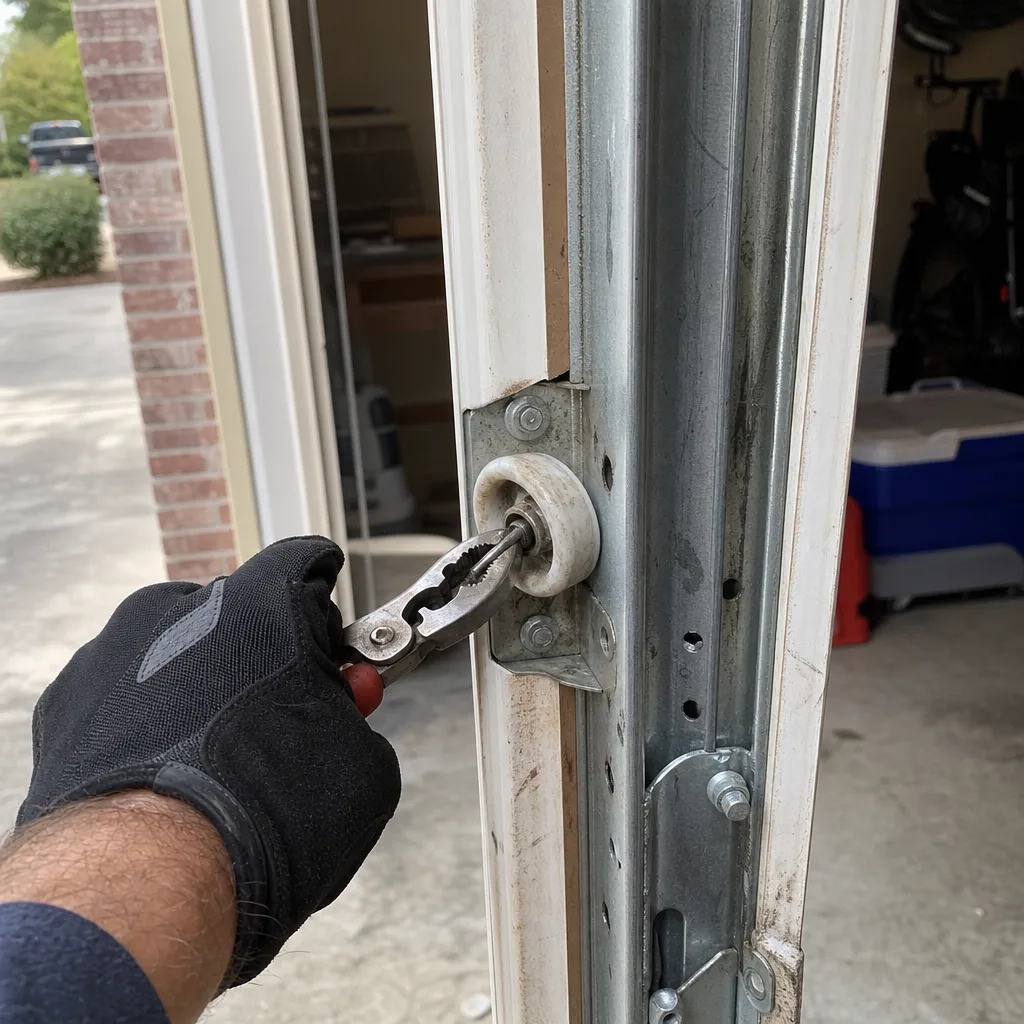
Every market has its patterns. After a decade working across Dallas garages from Lake Highlands to Preston Hollow, from the M Streets to East Dallas, we have learned which patterns signal a contractor worth avoiding.
The “same-day emergency” framing on a routine repair. A broken spring is an emergency in the sense that your car is trapped in the garage. It is not an emergency in the billing sense. Contractors who push premium “emergency dispatch” pricing for a job you called about at 2 p.m. on a Tuesday are monetizing your anxiety. Legitimate emergency pricing applies to nights, weekends, and holidays when the dispatcher pulls a technician off rotation. If you called during business hours, pay business-hour rates.
The technician who arrives without a camera. In 2026 there is no excuse for a garage door company that cannot document findings photographically. A technician who cannot or will not photograph the failed component is asking you to trust a description you cannot verify. Walk away.
Quotes that expire the moment the technician leaves. “This price is only good if you sign today” is pressure, and pressure is how a sales-first operation closes deals. A legitimate written quote in Dallas holds for a reasonable window, typically 7 to 14 days, and the company honors it even if you take a night to sleep on it.
Unannounced third-party dispatch. Some Dallas-facing phone numbers are lead-generation fronts. You call the number you found online, and the person who shows up works for a different company entirely. Ask on the phone: “Is the technician who comes to my house your employee or a subcontractor?” If the answer is anything other than “our employee,” get the subcontractor’s name and TDLR registration before the truck leaves the shop.
Cash-only or Zelle-only pricing. A legitimate Dallas contractor takes credit cards, checks, and common payment methods. Cash-only pricing is a signal the business does not want a paper trail, and the paper trail is the entire point.
How to Compare Two Quotes When One Is Itemized and One Is a Single Number
This is the most common scenario in the Dallas market: one company hands you an itemized quote with separate parts, labor, and warranty lines. Another hands you a single number on a door hanger. Here is the apples-to-apples framework.
Step 1: Reject the single number. A quote without line items cannot be compared and should not be accepted. Politely ask the single-number company to break out parts and labor. If they refuse, eliminate them. That sounds harsh, but a written scope is the minimum documentation standard for meaningful work, and a company that cannot produce one is not operating at a professional level.
Step 2: Compare the parts lines first. Look at what each company is actually installing. On a torsion spring replacement, compare wire diameter and whether the spring is a standard or high-cycle model. A high-cycle spring rated for 25,000 cycles costs more than a standard spring rated for 10,000, and that difference explains more of the price gap than most homeowners realize.
Step 3: Compare labor scope. One quote may include balancing the door, lubricating all moving parts, and tightening all hardware as part of the spring replacement. Another may replace the spring only and leave the door out of balance. The lower labor number that skips balancing is not cheaper. It is incomplete.
Step 4: Compare warranty terms in writing. A one-year parts warranty with no labor coverage is a different product from a one-year parts-and-labor warranty. Read the language, not the headline.
Step 5: Ask for the documentation you will receive. This is where the comparison often collapses in Servo’s favor. When a customer brings us a competing written estimate through our Free Second Opinion offer, we read it line by line and then show them what we found on the door. The documentation difference, what you receive when the job is done, is often the tiebreaker.
Documentation Practices That Separate Serious Contractors from Dispatch Mills
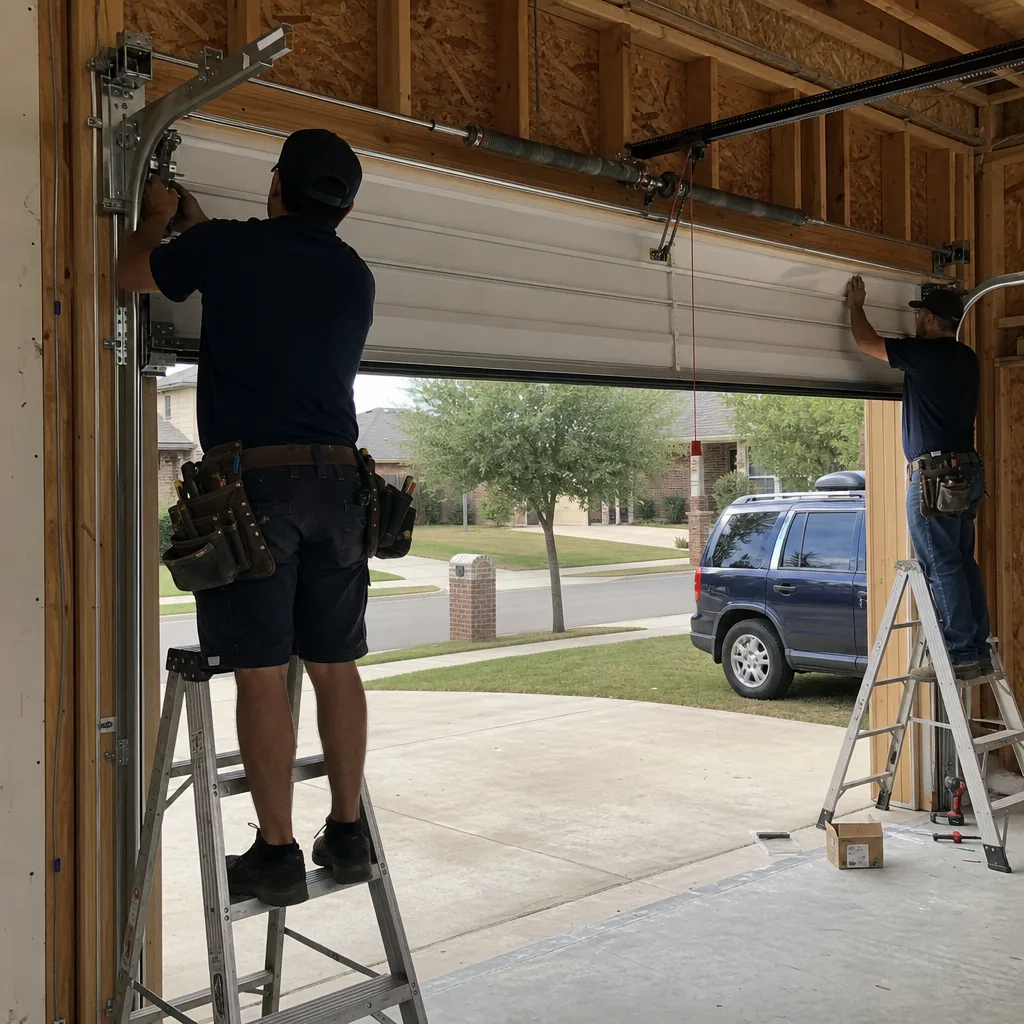
The garage door industry in Dallas has no shortage of companies with a truck, a logo, and a TDLR registration. The problem is that a registration answers nothing about how the company behaves when a technician stands in front of a door that is 15 years old and partially broken. Documentation practices are the behavioral tell.
A serious contractor photographs the failed component before quoting a replacement. This is not a customer-service nicety. It is a business structure. When a company knows its technicians must photograph every failed part and deliver that photo record to the customer, the company cannot inflate diagnoses. The photograph is the audit. A dispatch mill, by contrast, builds its margin on verbal descriptions the customer never independently verifies. “Your spring is shot” produces a quote. A photograph of a torsion spring with a clean break at the coil produces a decision.
A serious contractor delivers a written price and written scope before any work begins. The scope names the parts by type and count, states what the technician will do, and lists what the customer will receive when the job is done. The written scope is the agreement. When the job closes, the customer receives a documented photo record of what was found and what was done. Nothing is left to memory, storytelling, or trust.
A serious contractor puts the license number, insurance status, and warranty terms on the quote itself. When Marcus Deller reviews a written estimate for a customer through our Free Second Opinion offer, the first thing we check is whether the paperwork names the legal entity behind the phone number. Companies that hide their corporate identity behind a marketing name are building a moat against accountability.
At Servo Garage Doors Dallas home, the documentation system is not a selling point bolted onto the business. It is the business. The founding rule from 2015, the one that became Clause 4 of The Haven Standard, requires a photograph of the failed component before any replacement is quoted. Every job since then has closed with a photo record delivered to the customer. The paperwork is the product, and it is the reason we can offer a 365-Day Done Right Promise without a handshake behind it.
What Dallas Climate and Housing Stock Mean for Your Garage Door
Dallas garage doors fail in patterns that a Houston technician might not see, and a good local contractor knows the difference. The climate and the housing stock tell you what to expect and what to ask about.
Dallas summers push garage temperatures past 120 degrees on the hottest afternoons, and that heat ages torsion springs faster than the humidity of the Gulf Coast does. A standard spring rated for 10,000 cycles might last seven years in Plano but closer to five in a west-facing Dallas garage that bakes from 3 p.m. to 7 p.m. every day from June through September. When a quote lists a standard spring, ask the contractor whether a high-cycle spring makes sense for your door’s orientation and usage pattern. The upgrade usually costs 15 to 25 percent more and roughly doubles the spring’s service life in the Dallas climate.
The housing stock matters too. Homes built in Dallas between 2015 and 2025 typically have aluminum or steel sectional doors from Amarr, Clopay, Wayne Dalton, or Craftsman, paired with wall-mounted or belt-drive LiftMaster and Chamberlain openers. Those openers run quieter and include battery backup on many models. An older home in East Dallas or Lakewood might still have a chain-drive opener that predates the current owner. The contractor who knows Dallas housing stock will ask about the door’s age and opener model before quoting, because the answer changes what parts belong on the truck.
Hail is a factor as well. Dallas sits in the northern edge of Texas hail country, and a storm that dents the door section can also knock the door off balance and strain the opener. A good local contractor checks the door’s balance as part of any post-storm opener call, because a door that binds after hail will burn out the new opener’s motor inside a year. The written scope should say so.
Common Mistakes to Avoid
- Hiring on price alone without inspecting the written scope. The cheapest quote in Dallas is often the one that skips balancing, reuses old hardware, and installs a standard-cycle spring bound for failure in three years. Compare scope before price.
- Skipping the TDLR and insurance verification because the company “looked legit.” The five minutes you save are not worth the liability exposure of an uninsured technician in your garage.
- Accepting a verbal quote and then being surprised by the invoice. In Dallas, a written price and written scope before work starts is standard for serious contractors. Anything less is a risk you do not need to take.
- Treating all emergency calls as emergencies. A broken spring at 10 a.m. on a Wednesday is not a premium-priced emergency. Know the difference between business-hour repair and after-hours dispatch.
- Ignoring documentation practices in favor of marketing polish. The company with the cleanest website is not necessarily the one that photographs your broken spring before quoting a replacement. Ask about the documentation before you look at the logo.
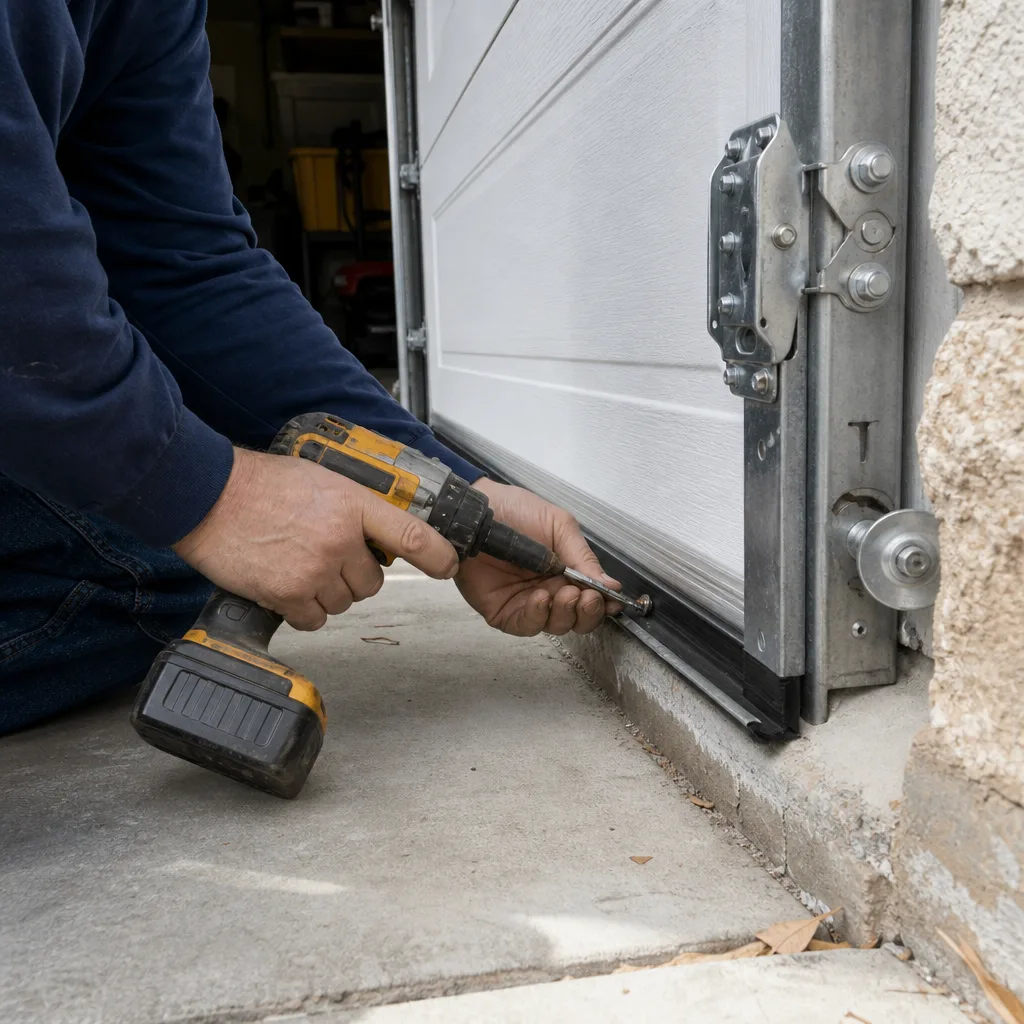
- Keeping an old door out of balance after replacing the springs. New springs on a door that has settled or shifted will fail early. The scope should include balancing as a standard part of spring replacement.
- Assuming all major brands of openers work the same. A LiftMaster logic board and a Chamberlain logic board are not interchangeable, and a contractor who says “they are all the same” has not opened many of them. Ask about brand-specific parts and experience with your exact opener model.
When to Call a Professional
The short answer is: whenever a component under tension or an electrical part is involved. Torsion springs hold hundreds of pounds of torque, and a spring that snaps during a DIY attempt can cause serious injury. Garage door cables under tension can slice through a glove in a fraction of a second if they let go. Garage door openers involve line voltage, logic boards, and limit switches that require testing equipment to diagnose properly. These are not systems to learn on. Servo Garage Doors Dallas offers free estimates across Dallas and the surrounding neighborhoods; we will come out, document what we find, and hand you a written price before any work starts. Call (469) 460-9039 and someone will answer.
Frequently Asked Questions
Search the business name on the TDLR website and confirm the registration is active. Remember that a TDLR registration covers the business entity, not the individual technician, so it does not verify the technician’s training or experience with garage doors. Call Servo Garage Doors Dallas at (469) 460-9039 to speak with us directly about our TDLR registration and insurance.
A written garage door quote should separate parts, labor, any service call fee, any disposal charge, and warranty terms. Bundled descriptions like “springs: $300” hide the parts-to-labor ratio and prevent apples-to-apples comparison against another bid. You can call (469) 460-9039 for a flat, written price on any garage door job in Dallas.
Yes. The founding rule of Servo since 2015, now Clause 4 of The Haven Standard, requires every technician to photograph the failed component before quoting a replacement. You see what we saw, and the photo record is delivered to you when the job closes. Call (469) 460-9039 to schedule service and see the documentation practice for yourself.
In the Dallas market, torsion spring replacement typically runs $180 to $340 for a standard spring and $230 to $410 for a high-cycle upgrade, depending on wire diameter and door weight. The exact number depends on the door, and no responsible contractor quotes a spring without measuring it. Call (469) 460-9039 for a flat, written price after we inspect your door.
Not at Servo. Clause 1 of The Haven Standard requires a written price and written scope before any work begins, and that price is what the work costs. The only time a price changes is when the customer asks for additional work beyond the original scope, and that additional work gets its own written price before it starts. Call (469) 460-9039 to experience written-first pricing.
Yes. Servo offers a Free Second Opinion on any written estimate from another company. Bring the paperwork, and we will walk through the scope, check the work they quoted against the actual condition of your door, and give you a direct comparison. Call (469) 460-9039 and ask about the Free Second Opinion.
The Bottom Line
Hiring a garage door contractor in Dallas is a documentation test, not a marketing test. The TDLR registration checks the business baseline; the questions you ask before scheduling reveal the business model. A contractor who photographs the failed component before quoting a replacement, puts a written price and written scope in front of you before touching the work, and delivers a documented photo record when the job is done is operating at a professional level. Anything less is a risk you can measure and avoid. Every job we have completed since 2015, more than 18,000 doors across Dallas, closed with the customer holding paperwork that showed exactly what was found, exactly what it cost, and exactly what was done. That is the standard.
Written by Marcus Deller, Owner at Servo Garage Doors Dallas, serving Dallas since 2015.