
Last updated September 20, 2026
Full 25-point door and opener safety check with every visit - springs, cables, rollers, tracks, and your LiftMaster or Chamberlain opener included
You get a price before we start. It does not change when the truck arrives.
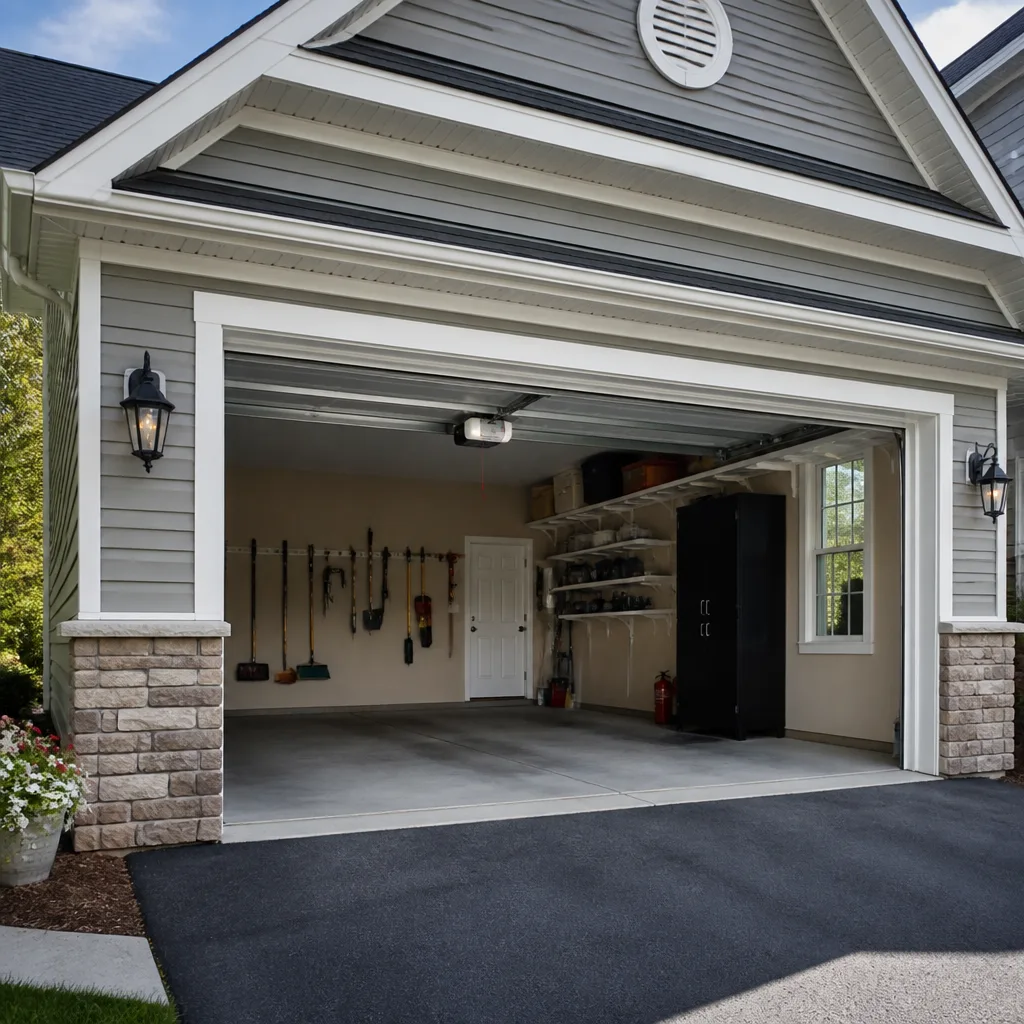
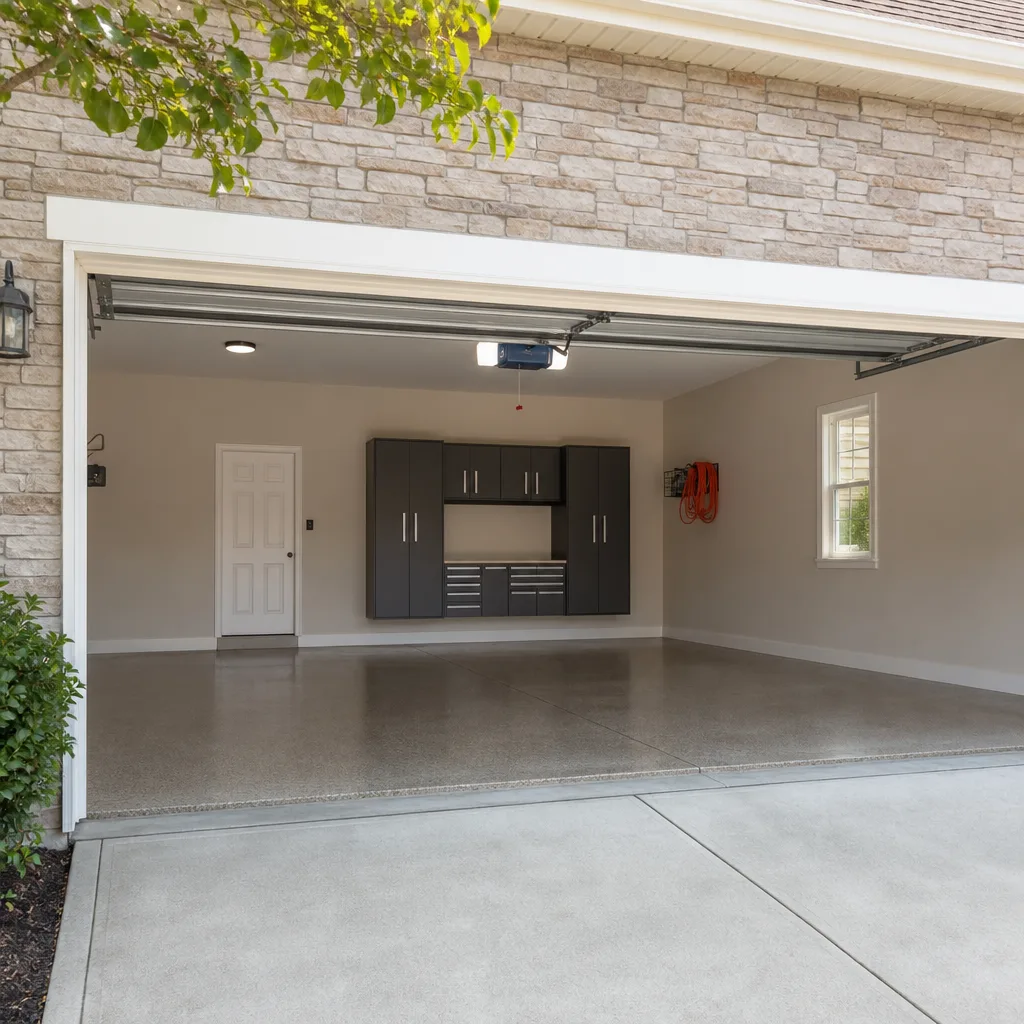
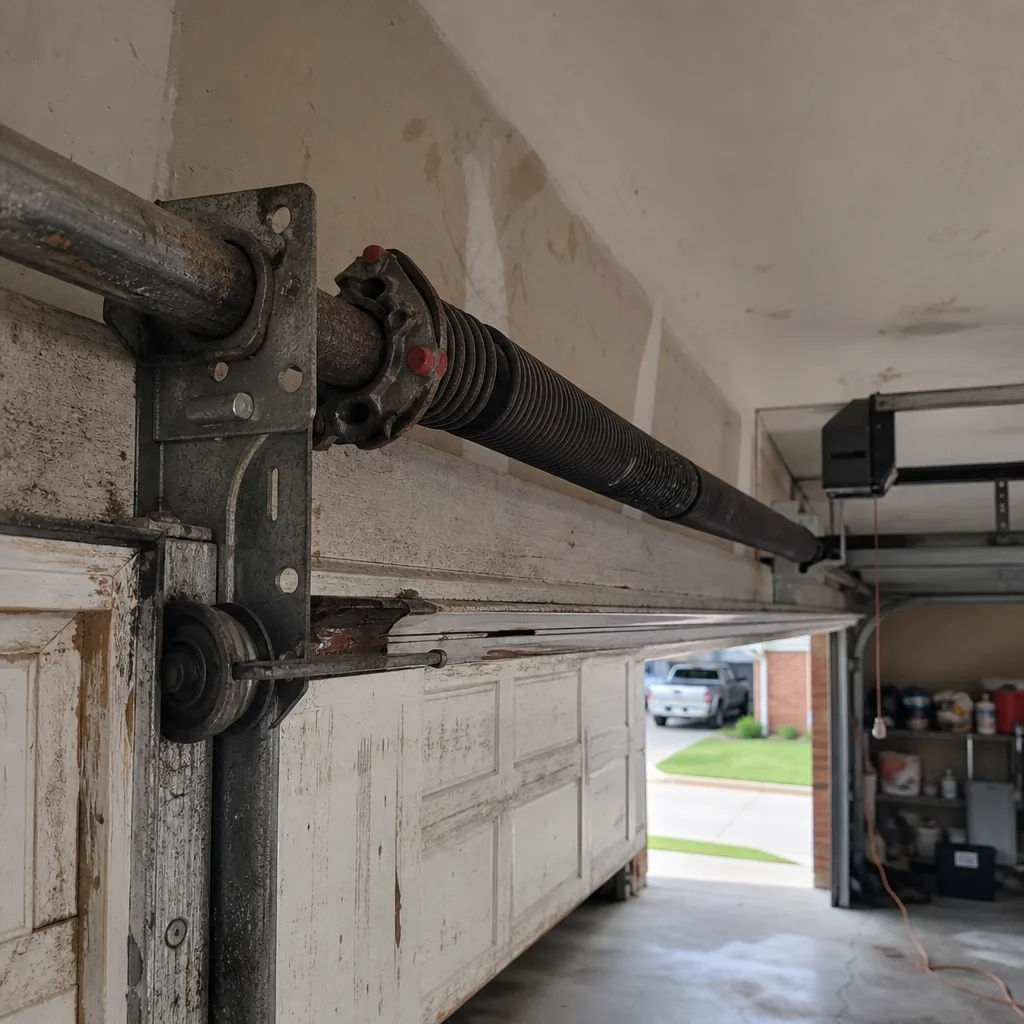 Before
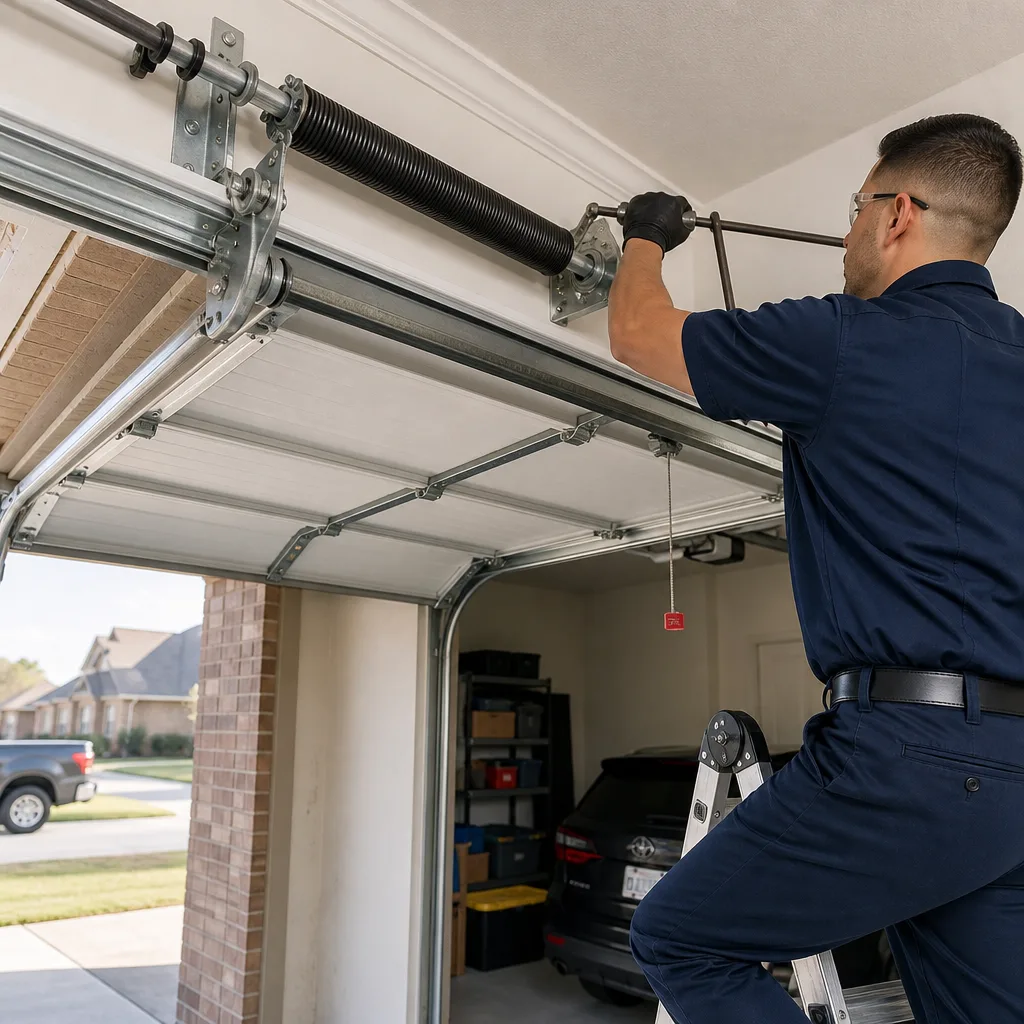 After
After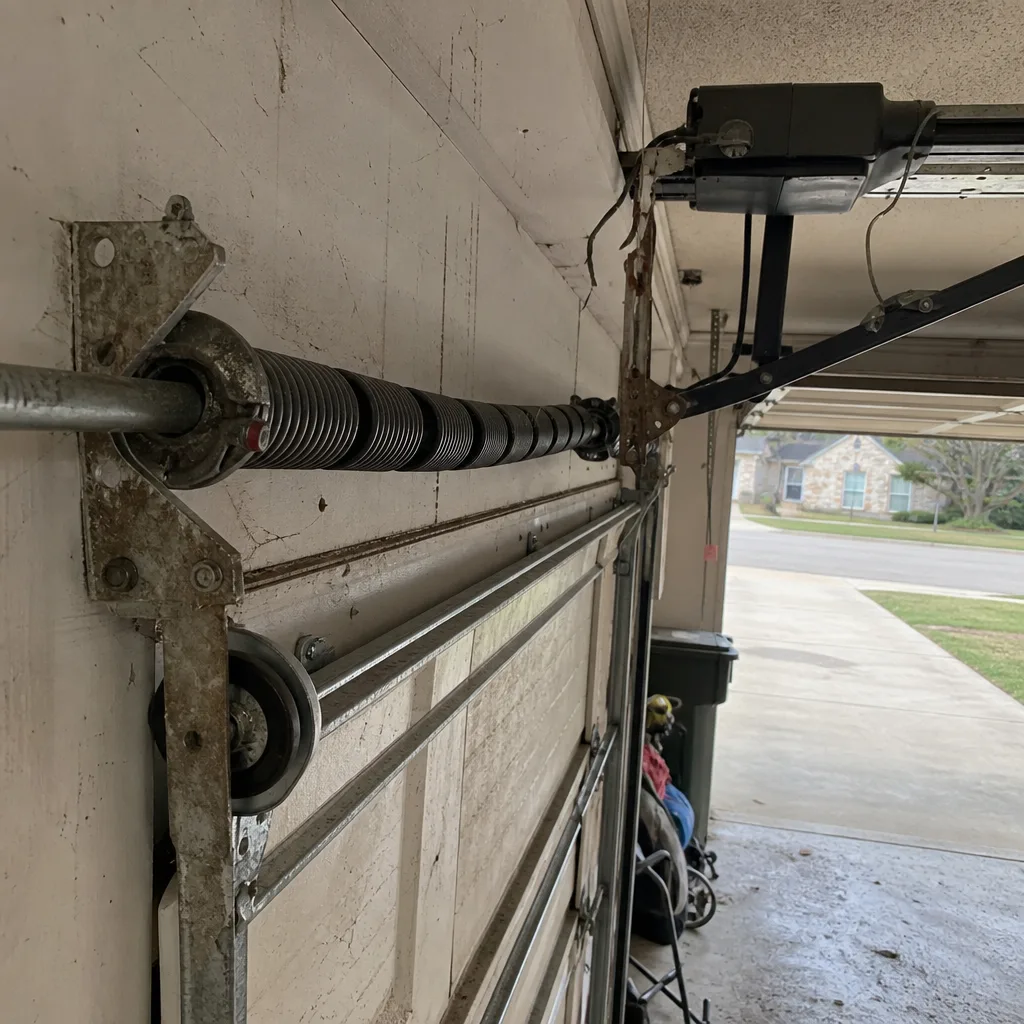 Before
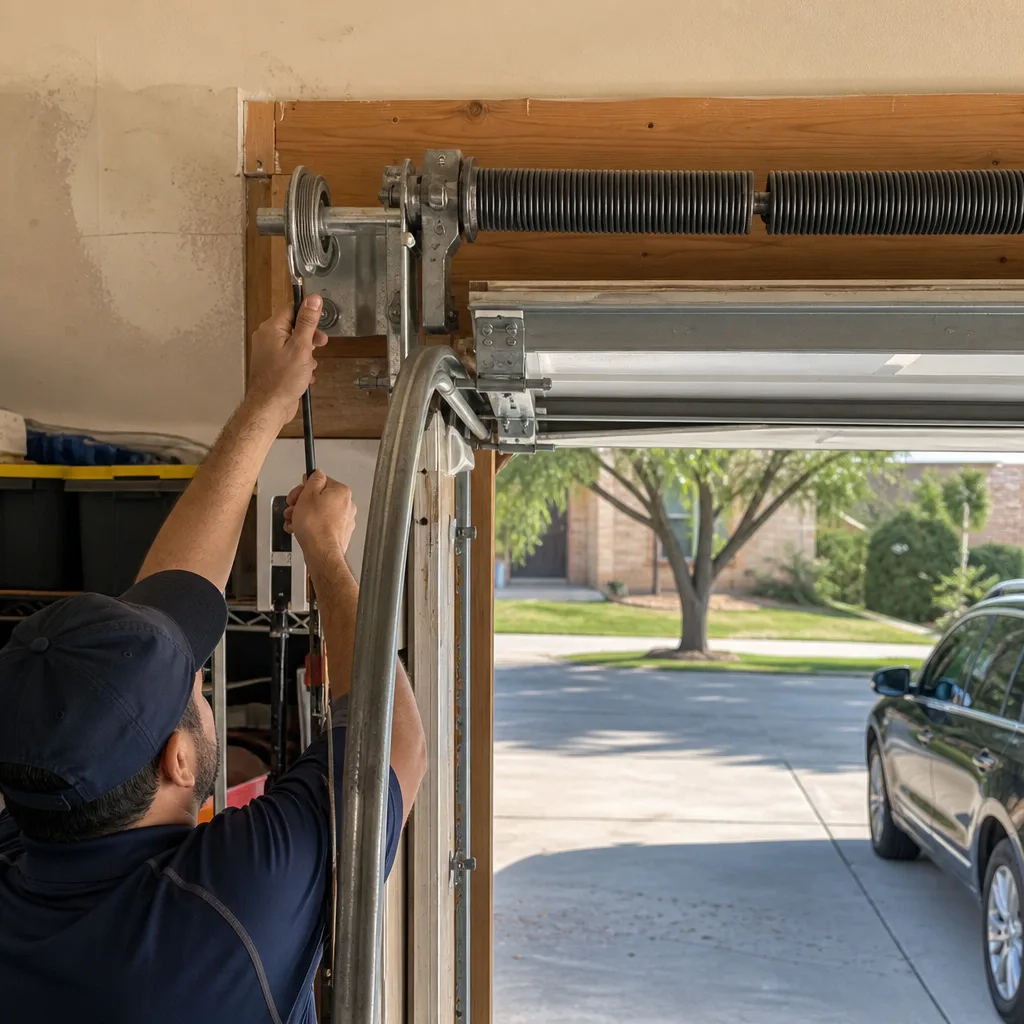 After
After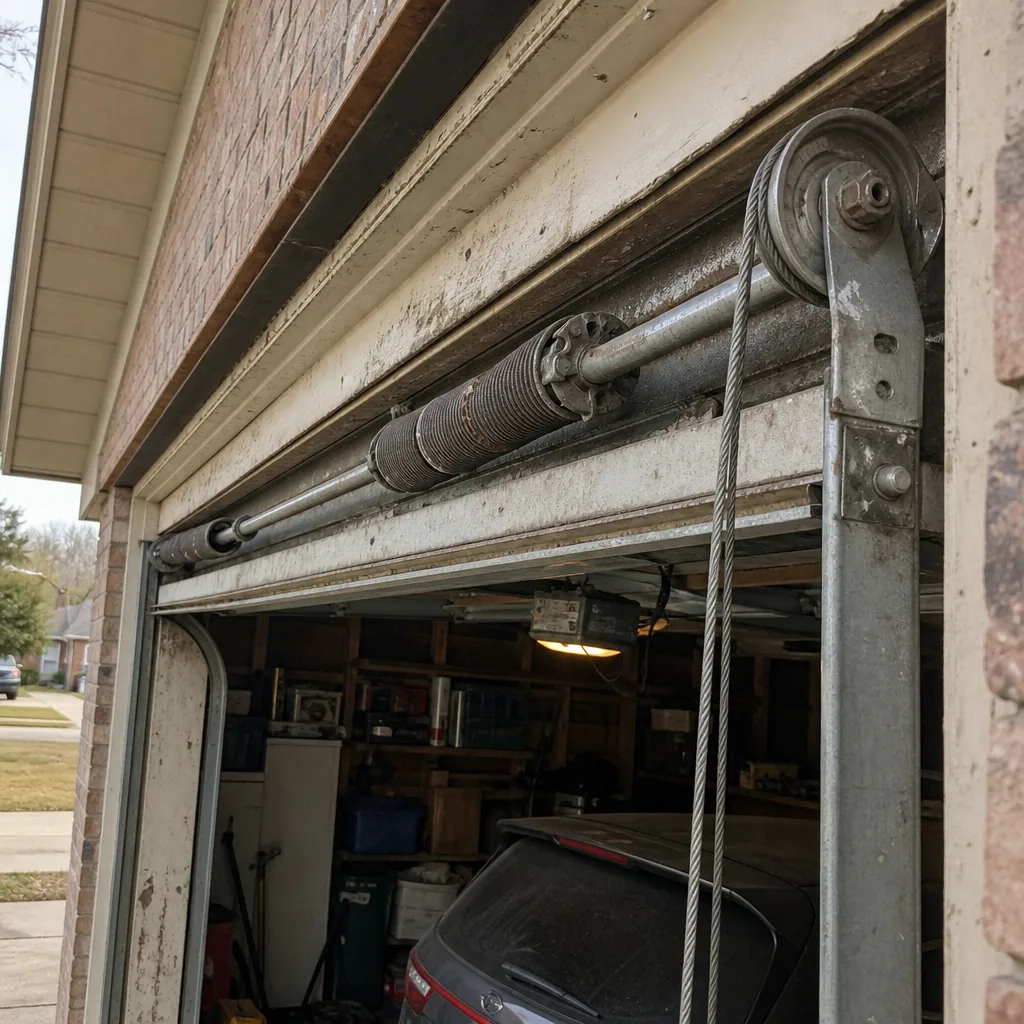 Before
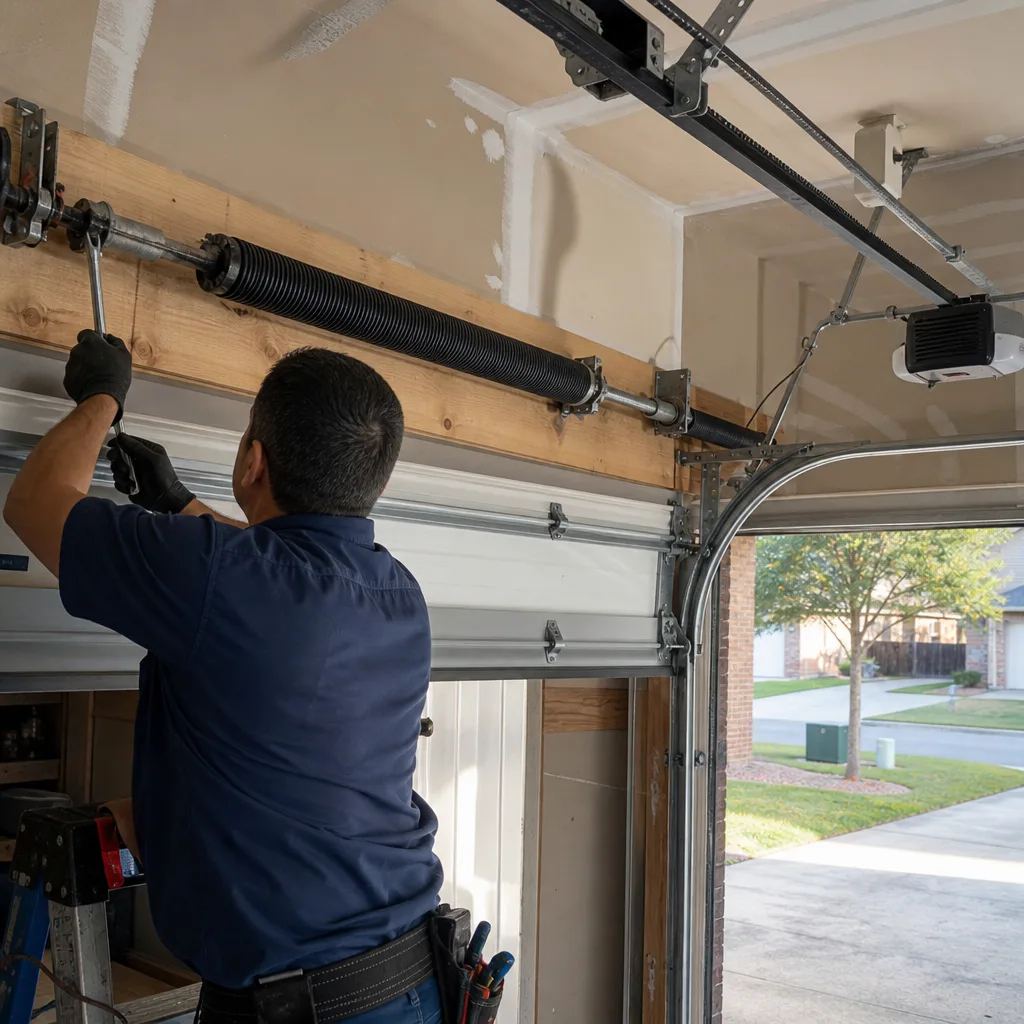 After
AfterThe Complete Guide to Garage Door in Dallas
Dallas sits on Blackland Prairie clay that shifts up to 4 inches seasonally, and that movement is the single most common reason a “brand new” garage door falls out of alignment within 18 months of installation. Most national buying guides don’t mention this because they’re written generically for every market. This one isn’t. We’re going to walk through what Dallas conditions actually do to garage door hardware, how to read a quote line by line (see our Garage Door Cost Breakdown: The Dallas Homeowner’s Reference for 2026), why spring selection matters more than door color, and which upgrades pay for themselves. If you own a home in Dallas, Lakewood, Preston Hollow, or any inner-ring suburb on expansive soil, this guide is written for your specific situation.
Quick Answer
A garage door in Dallas needs three things most national guides skip: a torsion spring system sized for high-cycle use, a track assembly that tolerates clay-soil movement, and insulation rated at least R-12 if your garage is attached to your home. Expect to spend $1,200-$2,400 for a quality 16×7 installed door, plus $250-$400 for annual track releveling in shifting-soil neighborhoods. The door that lasts 15 years in Dallas is rarely the one that looks best in the showroom; it’s the one built for clay soil and 100°F summers.
Table of Contents
- Why Dallas Soil Breaks Garage Doors Other Markets Never See
- Material Selection: Steel Gauge, Aluminum, and Wood Composite Rated Against DFW Weather
- Torsion vs. Extension Springs: The Cycle-Life Math That Matters in Dallas
- Insulation R-Value Reality Check: What’s Worth Paying For in a Dallas Attached Garage
- How to Read a Garage Door Quote Line by Line
- Garage Door Opener Selection: Horsepower, Drive Type, and Dallas Heat
- The Dallas Garage Door Maintenance Calendar
- Common Mistakes to Avoid
- When to Call a Professional
- Frequently Asked Questions
- The Bottom Line
BeforeAfterWhy Dallas Soil Breaks Garage Doors Other Markets Never See
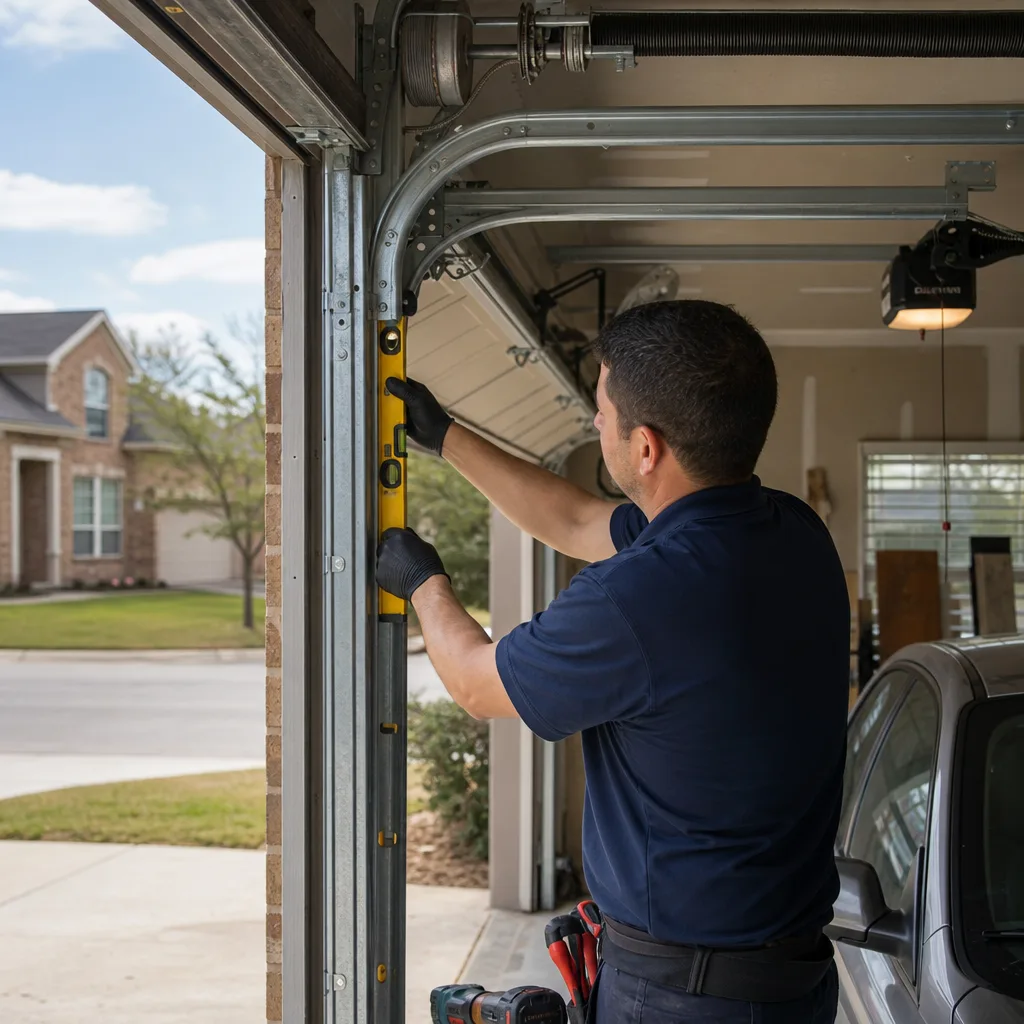
Dallas is built on Blackland Prairie clay, a soil that absorbs water and swells dramatically during wet springs, then shrinks and cracks during July and August when temperatures sit above 100°F for weeks. That cycle moves your home’s foundation by up to 4 inches between seasons, and your garage slab moves with it. The garage door track is bolted to the framing above that moving slab, which means the vertical tracks slowly drift out of parallel. When tracks drift even half an inch, the rollers bind, the door scrapes, and the opener motor works against resistance it was never designed for. In Coppell and Richardson, where the clay is particularly expansive, we see track misalignment on doors that are barely a year old.
This is not a defect in the door. It’s a maintenance item specific to Dallas geology. The fix is track releveling: loosening the mounting brackets, squaring the tracks to the door, checking the balance, and re-torquing. We recommend it annually in neighborhoods with heavy clay, and every two years elsewhere in the metro. A $250-$400 releveling visit prevents the $800+ repair that happens when a misaligned track forces a cable off the drum or bends a roller hinge. In our experience, homeowners who budget for annual track service keep their doors twice as long as those who wait for a symptom.
If you’re shopping for a new door, the soil movement affects your hardware choice too. Tracks with slotted mounting brackets allow for easier adjustment without re-drilling. Nylon rollers with sealed bearings tolerate slight misalignment far better than steel rollers. And a door that’s professionally installed with the correct side clearances on day one will have more tolerance for seasonal shifting. None of this changes the price much at purchase; it changes the ownership cost substantially.
Material Selection: Steel Gauge, Aluminum, and Wood Composite Rated Against DFW Weather
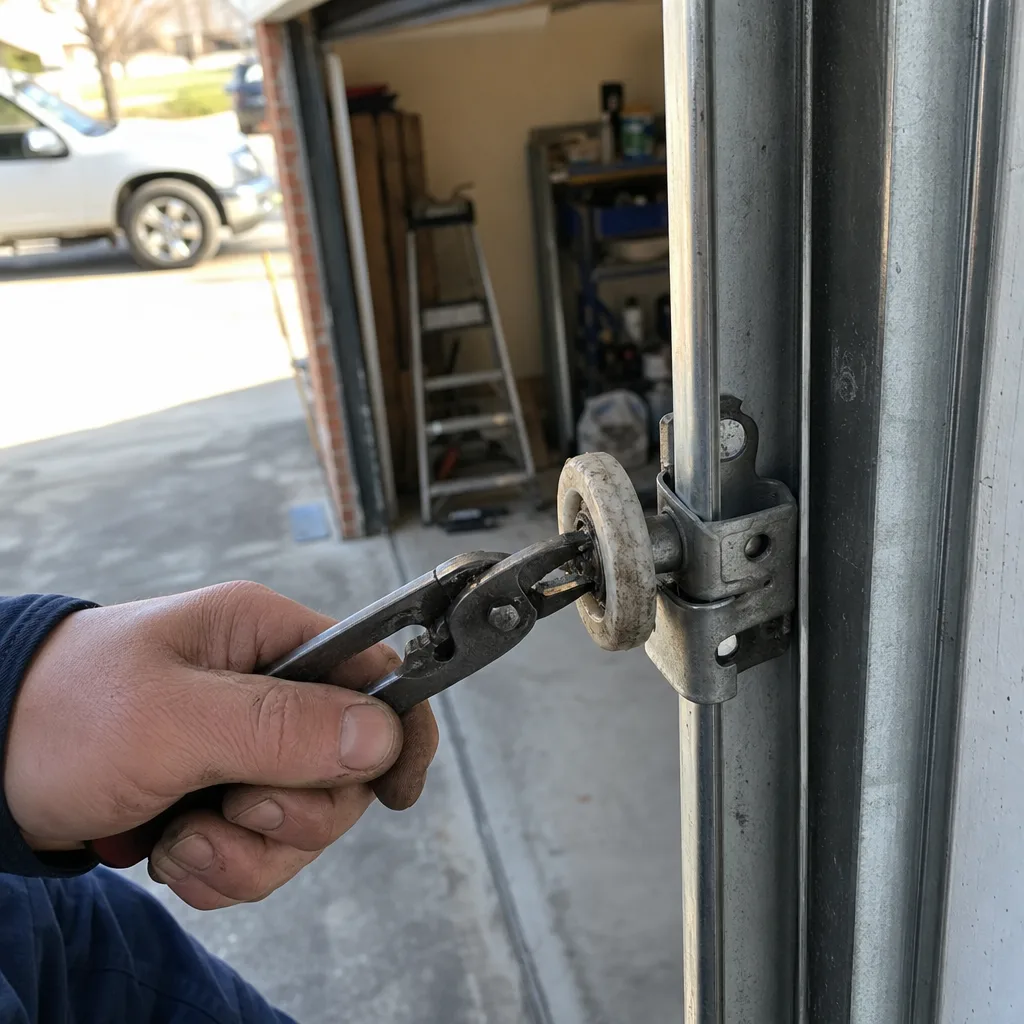
Dallas weather punishes garage doors in three ways: hail that dents, UV that fades and warps, and heat that stresses adhesives and seals. Every material handles these differently, and the right choice depends on which exposure your specific home faces.
Steel (24-gauge to 28-gauge): This is the workhorse for Dallas. The lower the gauge number, the thicker the steel. A 24-gauge door resists hail dents far better than a 28-gauge door, and the price difference is meaningful but not extreme, roughly $150-$300 across a 16×7 door. For a west-facing garage that takes afternoon sun and the brunt of spring hailstorms, 24-gauge is the smart buy. For a garage under a porte-cochère or on a north-facing wall, 26-gauge is a reasonable middle ground. We tell customers this plainly: if your garage door faces west or south in Dallas, buy the thickest steel your budget allows.
Aluminum: Aluminum doors are lighter and resist corrosion, which sounds good until you see what a Dallas hailstorm does to them. Aluminum dents easily, and even the insulated aluminum frames transfer dings to the face. Aluminum makes sense for a modern full-view door with glass panels, and you see these on newer builds in East Dallas and Deep Ellum. But if the door is solid-panel aluminum, you’re paying more for less hail protection than 24-gauge steel delivers. The one exception: if your garage is detached and unheated, aluminum’s lower thermal mass is genuinely useful in summer.
Wood composite and wood-overlay: Real wood doors look exceptional on the right home, and they cost accordingly. In Dallas, the problem is UV and humidity cycling. Wood expands and contracts with the same clay-driven moisture swings that move your slab, and a solid wood door can bow or crack within three years without diligent sealing. Wood composite, which is a wood fiber and resin product, fares better because it’s dimensionally stable, but it still needs refinishing every two to three years to survive Dallas sun. If you’re buying wood for the look, budget for maintenance or accept that the door will age visibly. Steel doors with wood-grain embossing are the practical alternative in most Dallas neighborhoods.
Brands matter less than material thickness, but if you’re comparing, Wayne Dalton makes a solid mid-range steel line that holds up well against hail, and Clopay dominates the premium wood-composite category. We service all the major brands and see their long-term performance in Dallas conditions daily.
Torsion vs. Extension Springs: The Cycle-Life Math That Matters in Dallas
A spring’s cycle life is the number of open-and-close operations it’s rated to survive. A standard torsion spring from a big-box store is rated at 10,000 cycles, which sounds like a lot until you do the math: four cycles per day, 365 days per year, equals 1,460 cycles annually. That spring breaks in under seven years, and in a Dallas household where both car and truck leave for work, the kids leave for school, and the garage goes up and down six or eight times a day, you’ll hit 10,000 cycles in closer to four years.
Torsion springs mount on a shaft above the door opening and twist to store energy. They fail more gracefully than extension springs, and they’re the standard for every quality installation in Dallas. A high-cycle torsion spring, rated at 25,000 or 30,000 cycles, costs $80-$150 more per spring but extends the replacement interval to 15+ years in most households. That’s the best money you’ll spend on any garage door component.
Extension springs mount on the sides and stretch to store energy. They’re cheaper and were common on pre-1990 Dallas homes, but they fail violently when they snap, and the safety cable that should contain the break is often missing on older installations. If your Dallas home still has extension springs, upgrading to a torsion system is a legitimate safety improvement, not an upsell.
The cycle math is the part most quotes don’t show you. A $900 door with 10,000-cycle springs will cost you an extra $250-$350 in spring replacement within five years. A $1,050 door with 30,000-cycle springs costs nothing extra for a decade and a half. When we write a quote at Servo, the spring cycle rating is on the page, in writing, because Clause 1 of The Haven Standard says a written price and written scope come before any work starts, and that scope should tell you what you’re actually buying.
We also see this pattern across Dallas: homes built in the 2000s building boom often received builder-grade springs rated for 10,000 cycles, and those are now failing in clusters. If your home in Frisco, McKinney, or Plano was built between 2000 and 2010, your original springs are likely at or past their rated cycle life right now.
Insulation R-Value Reality Check: What’s Worth Paying For in a Dallas Attached Garage
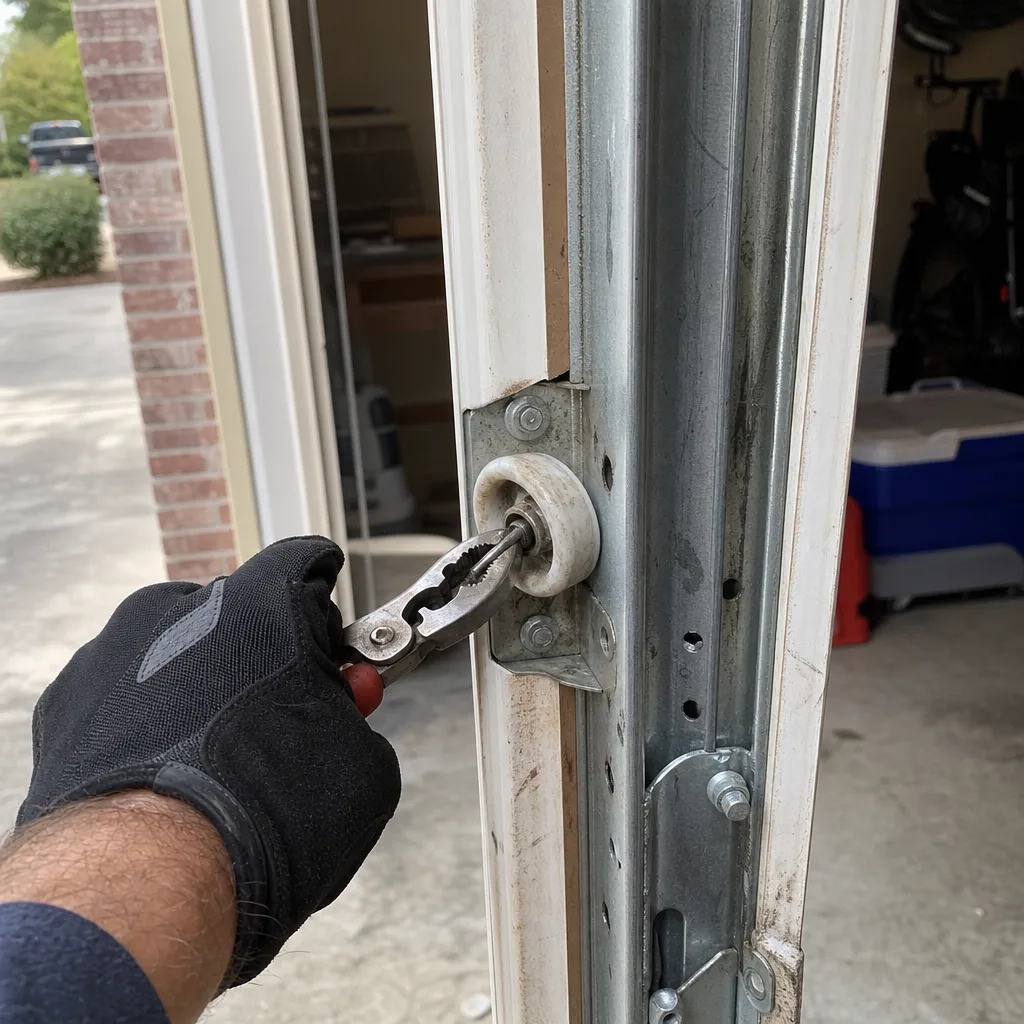
Insulation in a garage door is measured by R-value, which rates thermal resistance. Here’s the reality check most national guides miss: a higher R-value door only pays off if your garage has insulated walls and a sealed ceiling. An R-18 door on an uninsulated garage is like wearing a parka over a t-shirt; the heat enters through the walls anyway. Before you pay $400-$600 extra for a premium insulated door, check whether your garage walls and ceiling have insulation. In many Dallas homes built before 2010, especially detached garages, they don’t.
For an attached garage that shares a wall with your home’s living space, the math changes. Dallas summer heat radiates through that shared wall into your home, and an insulated door reduces the garage’s peak temperature by 15-20 degrees, which lowers the load on your HVAC system. In that case, R-12 to R-18 is genuinely worth it. The insulation also quiets the door, which your upstairs bedroom will notice if you have a bedroom over the garage.
For a detached garage used for parking and storage, R-6 to R-9 single-layer insulation is adequate. You’re keeping the direct sun off your car and the tools dry, not conditioning the space. Spending more on insulation there is marketing, not engineering.
One Dallas-specific benefit of insulated steel doors: the insulation layer adds structural rigidity to each panel, which improves hail resistance. A polyurethane-insulated door resists denting better than a non-insulated door of the same steel gauge. That’s a benefit worth mentioning when you’re pricing doors after a hard North Texas hailstorm.
How to Read a Garage Door Quote Line by Line
Most garage door quotes bundle everything into one number, which makes it impossible to tell what you’re paying for. A legitimate written quote breaks down like this. Here’s what each line should tell you.
1. Door slab: The panels themselves, specified by brand, model, material, steel gauge or material type, and panel construction. This is typically 50-60% of the total price. If the brand and gauge aren’t on the line, ask why.
2. Spring system: Torsion or extension, cycle rating, and number of springs. This is $150-$400 of the quote, and the cycle rating is the single most important spec on the page. If the quote doesn’t say the cycle rating, you’re buying an unknown.
3. Track and hardware: Standard or heavy-gauge track, roller type (steel, nylon, nylon with sealed bearings), and hinges. On a quality install, this runs $200-$350. On a cheap install, this is where corners get cut first.
4. Installation labor: Removal of the old door, haul-away, and installation of the new unit. Figure $300-$600 depending on complexity, access, and whether the old door’s track needs re-framing.
5. Opener (if applicable): Sometimes bundled, often line-itemed separately. A good belt-drive opener with battery backup runs $350-$550 installed.
6. Disposal and permits: Haul-away is usually $50-$100. Dallas doesn’t require a permit for direct door replacement on an existing structure, but if you’re modifying framing or adding a new opening, that’s building permit territory, and the quote should say so. See Garage Door Permits, Codes & Inspections in TX: What You Need to Know for full details.
When every line has a price and a specification, you can compare quotes honestly. When a company won’t break out the lines, or the spring rating is absent, or the steel gauge isn’t stated, that’s how bundled pricing hides markup. Bring any written estimate from another company to us in Dallas and we’ll walk through it with you line by line, for free. That’s the Free Second Opinion offer, and it’s how you make an informed decision without a sales pitch.
Garage Door Opener Selection: Horsepower, Drive Type, and Dallas Heat
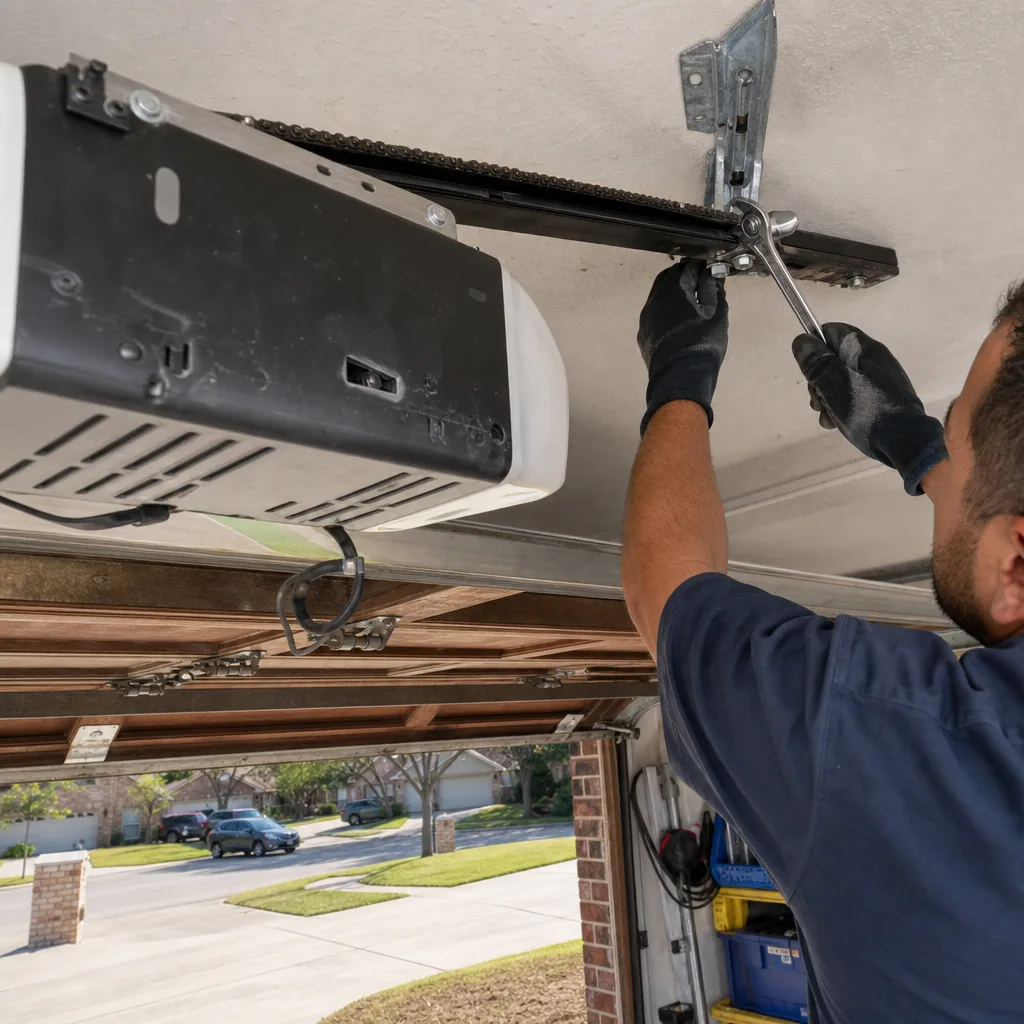
Garage door openers fail in Dallas heat more than they fail in most climates because the heat shortens the lifespan of the plastic gears inside the motor housing. A builder-grade opener installed in 2015 has by now spent ten summers absorbing 100°F temperatures, and the plastic drive gear is a common failure point. When we replace openers across Dallas, we replace them with metal-gear motors for this exact reason.
Horsepower matters by door size and weight. A single-car door under 150 pounds runs fine on a 1/2 HP opener. A double-wide 16×7 insulated steel door needs 3/4 HP or more, and a solid wood door needs at least 1/2 HP with a heavy-duty rail. Undersized motors burn out faster, and that’s another one of the pattern failures we see on Dallas homes where the original opener was builder-spec.
Drive type is fairly settled: belt drives are quieter and the rubber belt doesn’t stretch, which matters when temperatures swing 70 degrees between January and July. Chain drives are cheaper and noisier, and we install fewer of them every year. Screw drives are disappearing from the market entirely. If you live in Dallas and your garage is under a bedroom, buy the belt drive.
LiftMaster and Chamberlain dominate our replacement work, and the distinction is mostly about where you buy them. LiftMaster sells through dealers like us, with better warranty terms; Chamberlain sells through retail. Both are owned by the same parent company. Genie and Craftsman round out the brands we service routinely, and we carry parts for all of them on the truck.
One Dallas-specific consideration: battery backup. Spring storms knock out power in Dallas neighborhoods routinely, and if your opener has battery backup, you can still open the door when the power is out. It’s a $60-$100 option on most models, and in tornado season it’s the difference between getting your car out before a storm hits and being stuck. Buy it.
The Dallas Garage Door Maintenance Calendar
Here’s the maintenance schedule we recommend for Dallas homeowners, mapped to our climate. This keeps a properly installed door running for 15-plus years.
Once per quarter: Visually inspect the door from both sides. Check for rust on tracks, fraying on cables, and any change in the gap between the door and the frame. Run the door once and listen. A squeak you’ve never heard before is a roller bearing telling you it’s failing.
Twice per year, ideally in April and October: Lubricate the rollers, hinges, and springs with a silicone-based garage door lubricant. Don’t use WD-40; it’s a solvent, not a lubricant, and it washes out the existing grease. The April lubrication prepares the door for summer expansion, and the October one prepares it for winter contraction.
Once per year, ideally in late spring after the soil settles: Have the track alignment checked and the door balance tested. In Blackland Prairie neighborhoods like Lakewood, East Dallas, and the Park Cities, a door that’s perfectly balanced in March may be slightly out of true by May. This is the $250-$400 annual item that prevents most major repair work.
After every significant hailstorm: Inspect the panel faces for dents, especially if you have a steel door facing west or south. Small dents are cosmetic; dents that crease the steel through the insulation layer weaken the panel. Document what you see with photos. If you file an insurance claim, the insurance adjuster will want them.
Common Mistakes to Avoid
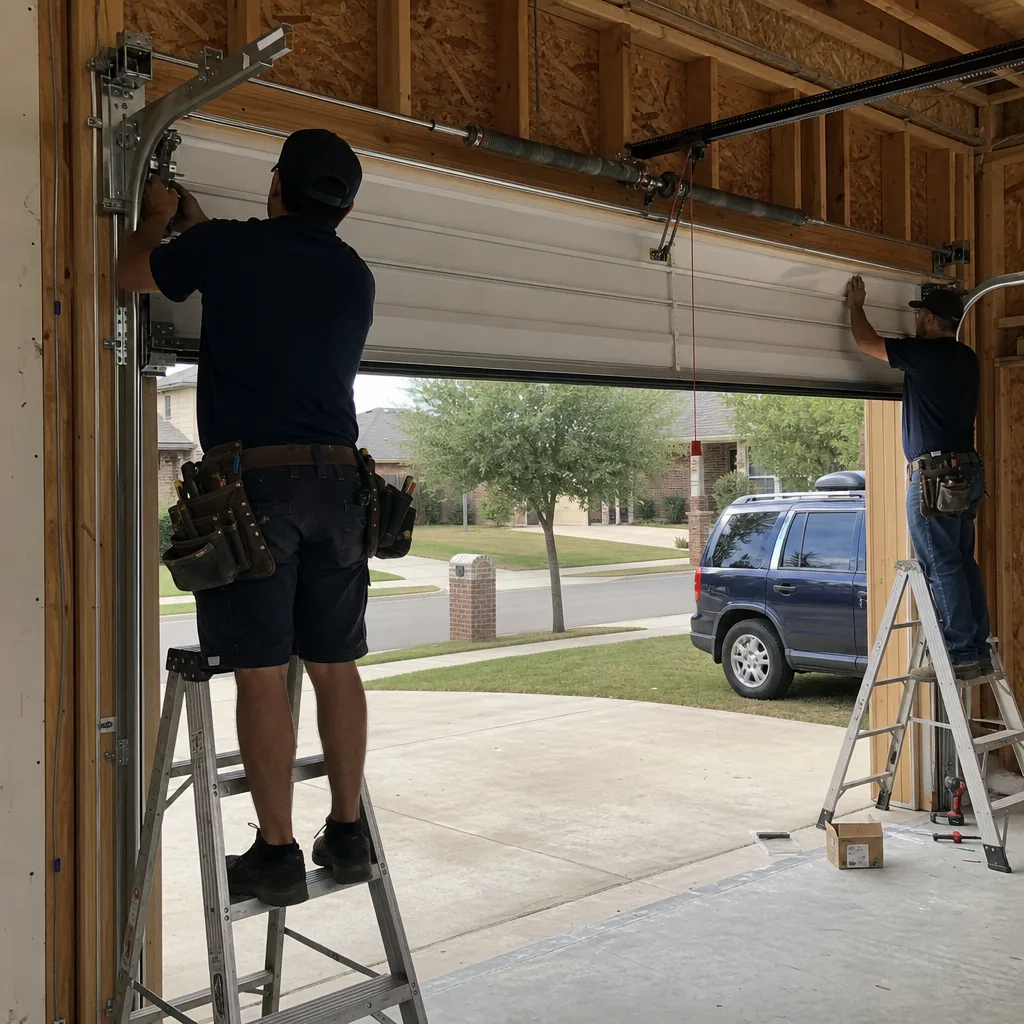
- Buying the cheapest steel gauge available. A 28-gauge door is $150-$300 cheaper than a 24-gauge door and will dent in the first serious Dallas hailstorm. You’ll spend more on panel replacement than you saved on the initial purchase.
- Treating the garage door as a one-time purchase. In Dallas, the track, springs, and rollers are wear items on the same schedule as a water heater or an HVAC filter. Budget for annual track service and spring replacement at year 7-10, and the door will outlast the roof.
- Upgrading the door without checking the spring cycle rating. A beautiful new door on builder-grade 10,000-cycle springs is a breakdown waiting for year four or five. The spring spec matters more than the paint color.
- Installing a wood door without budgeting for resealing. Dallas UV and humidity cycling will crack an unsealed wood door within three years. If you won’t commit to resealing every two years, buy steel with a wood-grain emboss.
- Buying an opener without battery backup. The power goes out in Dallas during spring and summer storms. A $70 option means you can still get your car out when it does.
- Skipping the photo documentation when you have a problem. Before you call anyone about a door that’s binding or making noise, take photos of the springs, the tracks, and the gap between the door and the frame. A technician who explains what they found with photos of their own is worth the visit. That’s why Clause 4 of The Haven Standard requires our technicians to photograph the failed component before quoting a replacement, and it’s why you receive that photo record when the job is done.
- Paying for a bundled quote without line items. If the quote is one number with no breakdown by component, you can’t tell whether you’re paying for a 24-gauge door or a 28-gauge, or a 10,000-cycle spring or a 30,000-cycle. Ask for the line items. If they won’t provide them, walk.
When to Call a Professional
High-tension torsion springs are dangerous; a snapping spring stores enough energy to break bone. Cables under load are the same. Never attempt to repair or replace a torsion spring or cable yourself. If you hear a loud bang from the garage, that’s a spring breaking, and the safe move is to call a professional and leave the door closed. The same applies to any repair involving the track mounts that bear door weight, and to opener logic board replacements, where a wrong wire connection can short the whole unit. For anything involving spring tension or load-bearing hardware, the correct tool is a phone, not a wrench. Garage Door Repair in Dallas covers the full range of repairs, from broken springs to track releveling, with written pricing before work starts. Servo Garage Doors Dallas home is where you can see the full documentation system that governs how we work. Servo Garage Doors Dallas offers free estimates in Dallas, call (469) 460-9039.
Frequently Asked Questions
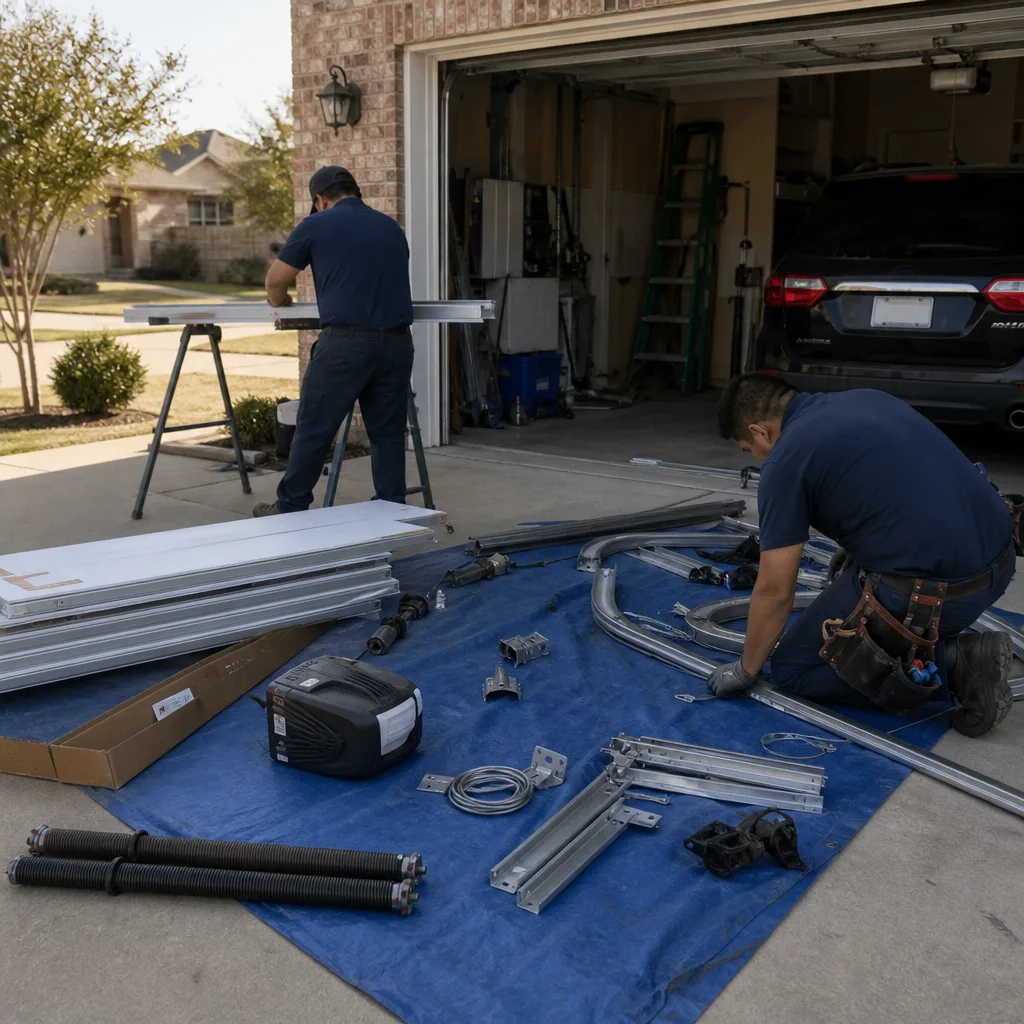
A quality 16×7 steel garage door installed in Dallas typically costs $1,200-$2,400, depending on steel gauge, insulation level, spring cycle rating, and hardware quality. The door slab itself is 50-60% of that total, with springs, track, and labor making up the rest. Call (469) 460-9039 for a written, line-by-line quote, because that’s the only way to know what you’re actually paying for. For more guides & resources on keeping your door running in Dallas conditions, explore our blog.
24-gauge steel with polyurethane insulation is the best all-around material for Dallas, because it resists hail dents, blocks summer heat, and won’t warp from humidity like wood. If your garage is detached and unheated, 26-gauge steel or aluminum are both acceptable options with lower price points.
In Dallas, have the track alignment checked and the door balance tested once per year, ideally in late spring after the clay soil settles, and lubricate the moving parts twice per year. Homes on heavy Blackland Prairie clay in neighborhoods like Lakewood or Richardson may need track releveling more often.
Garage door springs break because they reach their rated cycle life, and most Dallas homes open and close the garage 4-8 times per day, which burns through a 10,000-cycle spring in four to seven years. Upgrading to a 25,000 or 30,000-cycle torsion spring extends that to 15 years or more.
Yes, spring replacement is a same-day repair in most Dallas cases, and we carry springs for all major brands on the truck including LiftMaster, Chamberlain, and Genie. Call (469) 460-9039 and we’ll give you a written price before any work starts.
No, the price quoted in writing is the price you pay, per Clause 1 of The Haven Standard, which requires a flat written price and written scope before any work begins. If we find something unexpected during the job, we photograph it, explain it, and get your approval in writing before adding anything to the scope. That’s exactly how the process is designed to work.
The Bottom Line
A garage door in Dallas is a system, not a slab on tracks. The soil shifts, the heat bakes, the hail pounds, and the door that survives all three is the one that was specified for those conditions from day one. Buy the thickest steel you can afford, insist on a high-cycle torsion spring with the rating on the quote, insulate to R-12 or better only if your garage is attached, and budget for annual track service like you budget for a roof inspection. The documentation of what was installed and what was done, the written price before work starts, and the photo record of every visit, those don’t cost extra at a company that treats them as standard. For Garage Door Installation in Dallas, we’re here with written pricing and a documented scope on every job. For opener work, including battery backup and smart-home integration, see Garage Door Opener Repair & Installation in Dallas. Call (469) 460-9039 for a free estimate, answered by a real person, day or night.
Written by Marcus Deller, Owner at Servo Garage Doors Dallas, serving Dallas since 2015.